

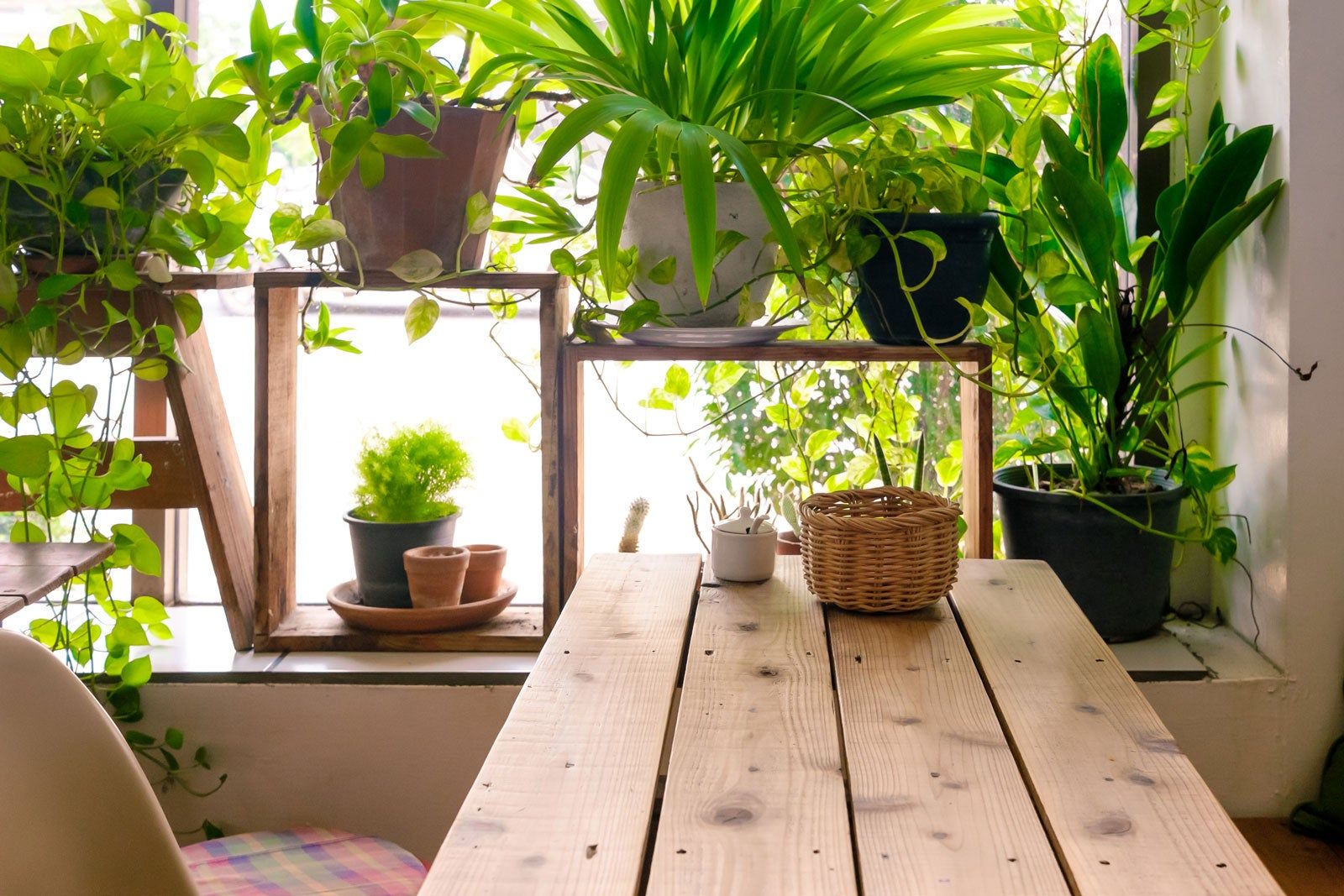
Most people who lose their first houseplant do not have a black thumb. They simply put the right plant in the wrong room. Light, humidity, and warmth shift from one corner of a home to the next, and a fern that would sulk on a bright kitchen sill might flourish in a steamy bathroom a few steps away. Once you start matching plants to the conditions a room already offers, indoor gardening stops feeling like guesswork and starts feeling like something you can genuinely get right.
That is the whole idea behind a room-by-room approach. Instead of buying a plant because it looked good in the shop and hoping for the best, you look at what each space naturally gives a plant, then choose accordingly. Here is how I would walk through a home if you were just starting.
First, Learn to Read the Light
Before you think about a single plant, spend a day noticing how light moves through your rooms. A south-facing or west-facing window gives strong, direct light for much of the day. An east-facing window offers gentler morning sun. A north-facing window stays cool and shaded. Rooms with no direct window light count as low light, and that is fine, because plenty of plants prefer it. Light is the one condition you cannot easily fake, so let it lead your choices in every room below.
The Kitchen
Kitchens are often the brightest, busiest, and most humid rooms in the house, which makes them a forgiving place to begin. The steam from cooking and the warmth from appliances suit a lot of plants, and a sunny windowsill is perfect for a small pot of herbs. Basil, mint, chives, and parsley give you something to cook with and the quick, visible progress that keeps beginners motivated. If your kitchen light is more modest, a pothos trailing from a shelf or the top of a cabinet asks for very little and still looks wonderful.
The Living Room
The living room is usually where you want a plant to make a statement, and it tends to have the flexible, medium-to-bright light that many popular houseplants love. A snake plant brings a clean, upright shape to a corner. A rubber plant or a monstera can fill a space beside the sofa and become a real focal point. If you have a bright spot near a window, almost anything will be happy there. If the light is more middling, lean toward pothos, philodendron, or a peace lily, all of which cope well with less.
The Bedroom
Bedrooms are often calmer and a little dimmer, and the goal here is usually a restful feel rather than a jungle. Tough, low-maintenance plants earn their place: a snake plant, a ZZ plant, or a pothos will all tolerate lower light and irregular attention, which matters in a room you may not water on a strict schedule. A plant on the nightstand or dresser adds a sense of life and quiet to the space without demanding much in return.
The Bathroom
The bathroom is the one room people forget, and it is often the easiest win of all. The humidity from showers recreates the muggy conditions many tropical plants come from, so ferns, pothos, and air plants tend to thrive there even when the light is limited. If your bathroom has a window, a Boston fern hung near it will look lush and cottage-like. If it does not, stick with the toughest low-light choices and let the humidity do the rest.
The Awkward Dark Corner
Nearly every home has a spot with almost no natural light where you still wish something green could live. You have two honest options. Choose a plant that genuinely tolerates deep shade, such as a ZZ plant, a cast iron plant, or a snake plant, or add a small grow light and open the space up to far more possibilities. Both work. What does not work is putting a light-hungry plant in a dark corner and blaming yourself when it fades.
The One Watering Habit Worth Learning
If there is a single skill that saves more houseplants than any other, it is checking before you water rather than watering on a fixed day. Push a finger an inch into the soil. If it comes out with damp soil clinging to it, wait. If it comes out dry, water thoroughly until it runs from the drainage holes, then empty the saucer so the roots never sit in standing water. Most beginner plant deaths come from kindness, from watering a plant that was not thirsty yet, and this one habit quietly prevents the majority of them.
Start Small and Let It Grow
The most common beginner mistake is not underwatering or overwatering. It is buying ten plants at once, spreading yourself thin, and losing track of what each one needs. Start with one or two plants in the rooms that suit them best, learn their rhythm, and add more as your confidence grows. If you want to go beyond light and placement into watering, feeding, tools, and troubleshooting, I have put together a complete guide to indoor gardening that pulls it all into one place.
Indoor gardening is far more forgiving than most beginners fear. Read your rooms, match your plants to them, and permit yourself to learn as you go. For more plant care written for real homes rather than greenhouses, you are always welcome over at The Leaf Journal.

2 Comments
Pingback: Best Indoor Plants for Air Quality (10 Picks)
Pingback: Low Light Indoor Plants: 10 That Thrive