

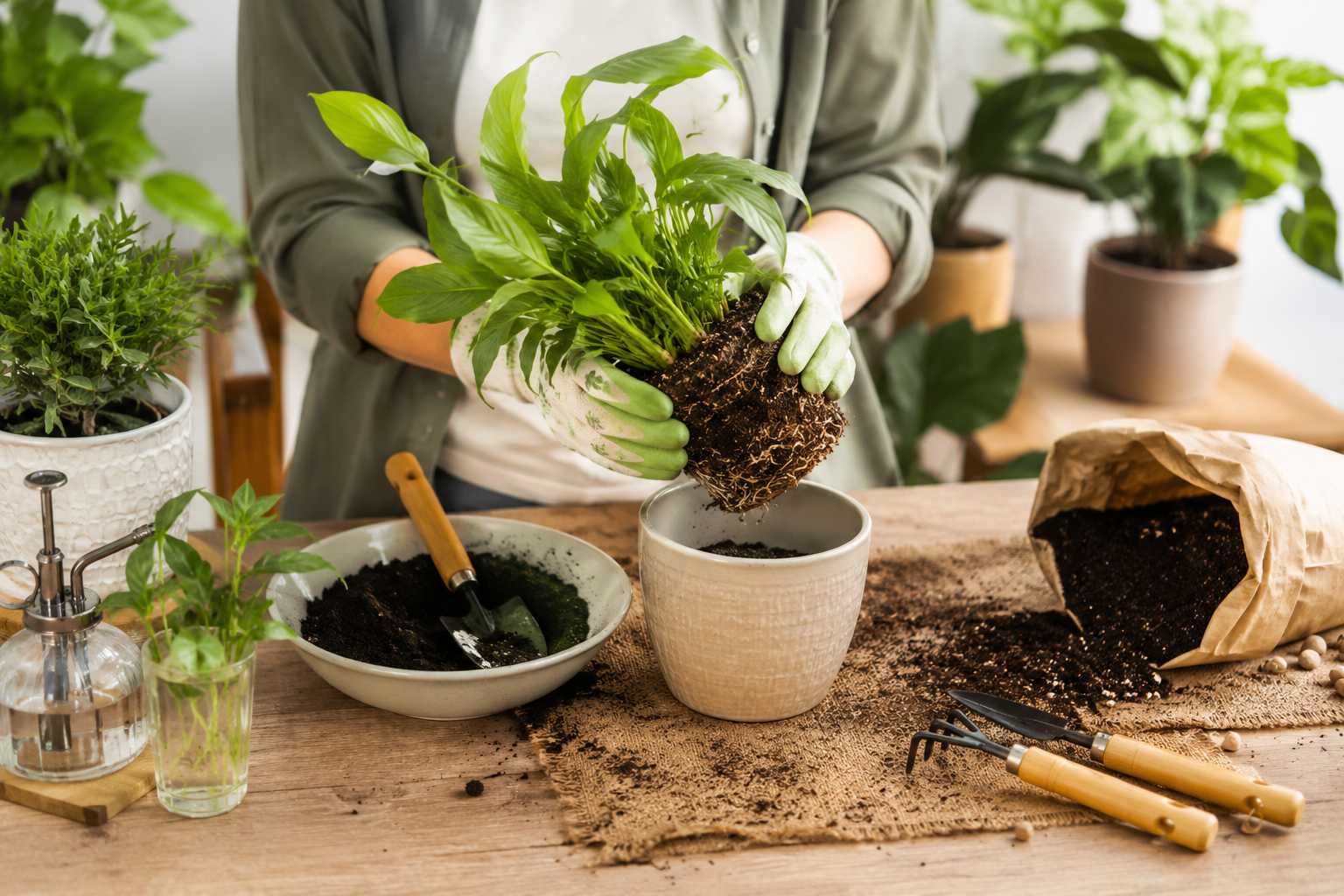
Moving house plants safely starts weeks ahead: repot into lightweight plastic, prune, treat for pests, and water two to three days before moving day so the soil is moist but not soggy. Because most moving companies put plants on a do-not-ship list and many regions regulate them, you will usually carry plants yourself in the car cabin, never a dark trunk, keeping them shaded, ventilated, and unpacked first on arrival. For garden plants, dig during dormancy or cool weather with the root ball intact, or take cuttings when a specimen is simply too big to move.
Why Movers Usually Won’t Take Your Plants
It surprises people, but most professional movers will not load houseplants, and many are outright prohibited from carrying them across state lines. The reasons are practical: a sealed truck has no light or fresh air and swings between oven heat and freezing cold, conditions that can kill a plant in hours, and crews will not take on the liability of breaching agricultural rules. Some local moves under a short distance and a few hours are the exception, but always confirm before assuming.
Regulations exist to stop invasive pests and diseases from hitching a ride, and they vary widely by region. Certain places demand sterilized soil, an inspection certificate, or even a short quarantine, and the strictest will confiscate plants at the border. The sensible plan is to check the rules for your destination and anywhere you pass through, then decide which greenery is worth the effort. For the decorative pots and the rest of your household, a team of experienced local movers can handle the heavy lifting and careful packing while you take personal charge of the plants.
Start Prepping Weeks Before: Repot, Prune, De-Pest
Healthy plants survive a move far better than stressed ones, so begin conditioning them about three to four weeks out. Repot anything in heavy ceramic or terracotta into clean, lightweight plastic nursery pots of the same size, using fresh sterilized potting mix, and pack the breakable decorative pots separately with your other fragile items. Garden soil is best left behind, since many regions bar it for harbouring pests and fungal spores.
Next, tidy and protect the plant itself. Prune away dead or weak leaves and pinch back leggy growth so each plant is compact and less likely to snap in transit, which also conserves its energy for the stress ahead. Inspect closely for spider mites and fungus gnats about a week before the move and treat any infestation, then do a final check of the foliage and soil a couple of days out so nothing unwelcome travels with you.
Water Right and Pack for Airflow
Timing your watering is a small detail that prevents big problems. Water two to three days before departure so the root ball is damp but not waterlogged, because saturated soil leaks, adds weight, and invites root rot on a long journey. Most plants tolerate a week or more without a drink as long as the roots stay moist, so resist the urge to overwater on the way out the door.
Pack for stability and breathing room. Stand each pot in a snug, sturdy box taller than the plant, wedge the base with crumpled paper so it cannot tip, and shield tall foliage with a loose paper cone. Cover the soil and tape over drainage holes to contain it, then leave the box untaped or punch air holes so the plant can breathe, cardboard breathes far better than a sealed plastic bin. Label every carton as a live, fragile plant that must stay upright.
Keeping Plants Alive in Transit
Once you are on the road, treat your plants a little like pets. Keep them in the climate-controlled cabin rather than the trunk, which has no airflow and becomes an oven in summer and a freezer in winter. Shield them from scorching sun through the glass, which can burn leaves, but avoid total darkness too; a light cover strikes the right balance. In cold weather, wrap the pots in newspaper or horticultural fleece for insulation.
Plan your stops with the plants in mind. Park in the shade and crack a window in warm weather, never leaving them sealed in a hot car, and on multi-day trips bring the boxes indoors each night and open the lids so they get light and air. These small courtesies are usually the difference between a plant that arrives a little tired and one that arrives beyond saving.
Digging Up Garden Plants and Taking Cuttings
Outdoor plants follow nature’s calendar. The best time to move trees and shrubs is during dormancy, after the leaves fall and before spring buds break, while perennials transplant best in the cool of spring or autumn and should never be moved in full flower. Water the ground thoroughly two to three days before digging, pre-dig the new hole at twice the width of the root ball, then lift the plant with as much intact root ball as you can and keep it wrapped so it never dries out.
When a specimen is too large or too established to dig, take a cutting instead and carry a genetic clone to your new garden. Snip a healthy stem with clean, sharp scissors, wrap the cut end in damp moss or a moist paper towel, and seal it loosely in a bag with the leaves exposed. Cuttings survive several days of travel comfortably and will root in water or soil once you arrive, a space-saving way to bring a cherished plant along.
Acclimating and Replanting at the New Home
Whatever else is waiting to be unpacked, free your plants first. Take them out of their boxes the moment you arrive, even after a long day, remove any broken leaves, and set them in a spot with light similar to their old home to soften the shock of the change. Check the soil and water only if it is dry, then leave them undisturbed to settle rather than shuffling them around the house.
Patience pays off in the first few weeks. Reintroduce direct sun gradually instead of all at once, and hold off on moving plants back into their decorative pots until they have acclimated. Expect a little wilting or leaf drop as normal transplant shock, not failure. Before the move, it is also worth checking that your plants will actually thrive in the new climate; anything that will not is kinder gifted to a neighbour or donated than lost in transit.
