

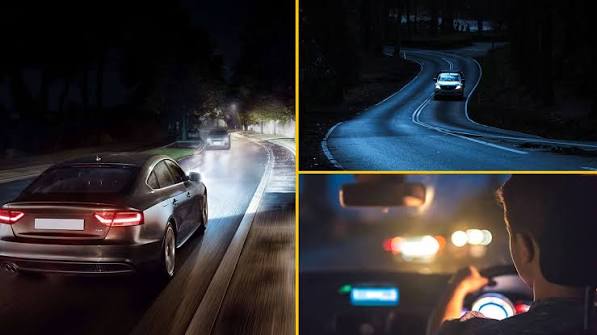
Low light changes the way you drive. A familiar route can suddenly feel harder to read when darkness settles in, rain starts falling, or an unlit track stretches ahead. Road edges become less obvious and obstacles appear later. For drivers who work at night or spend time on demanding routes, led driving lights can provide a stronger view of what lies ahead. The right lighting setup can improve forward visibility and help you spot changes in the road sooner.
Why Better Forward Lighting Helps
Standard vehicle headlights are designed for everyday road use. Some working environments call for more focused illumination, though. LED Driving Lights are designed to project a concentrated beam farther ahead. This makes them useful when you need to see beyond the normal reach of your headlights.
That extra reach can help on rural roads, poorly lit routes, tracks, and areas where street lighting is limited. Instead of waiting for an obstacle to enter the brightest part of your headlight pattern, you can illuminate more of the route in front of you.
The difference can become especially noticeable when your vehicle is moving steadily through darkness. Seeing the road sooner gives you more information about bends, debris, uneven surfaces, and unexpected changes.
How LED Technology Improves Clarity
LED technology produces bright and focused illumination while using energy efficiently. Modern LED Driving Lights are available in different shapes and beam designs, allowing you to select a setup around your vehicle and driving conditions.
Round, oval, and square driving lamps offer different installation possibilities. Lightbars provide another option when you want broad coverage from several LED units arranged in one housing. Some models also include position lights that improve visibility from different angles.
Choosing The Right Beam For Driving
More light is not automatically better. A poorly selected beam can create glare or illuminate the wrong area. LED Driving Lights generally use focused beams because their main purpose is extending visibility ahead of the vehicle.
Consider the roads you use most often. If you regularly travel along open country roads, a long-range beam may be useful. If your work involves slower movement around uneven ground, you may need a setup that gives you a wider view of the immediate area.
This is where Off-Road Work Lights can serve a different purpose. Work lights typically spread illumination across a broader area, helping you see around a vehicle rather than only along the forward driving path.
Work Lighting Has A Different Job
Driving and Work Vehicle Lighting are related, but they are not interchangeable. A focused driving beam helps you see farther along your route. A Vehicle Work Lights usually provides wider illumination around machinery or a vehicle.
That distinction becomes important when you operate at a work site. You may need to drive safely toward a location and then illuminate the area once you arrive. Using separate lighting for each task can give you better control.
Vehicle Work Lights can be mounted in different positions depending on what you need to illuminate. Rear-facing lights can help with reversing or loading. Side-facing lights can brighten areas beside the vehicle. Front work lamps can provide additional scene illumination.
Better Lighting For Working Vehicles
A working vehicle often spends time where normal road lighting cannot help much. Construction sites, farms, industrial yards, recovery locations, and rural properties can become difficult to navigate once natural light disappears.
This is where Work Vehicle Lighting becomes useful. A properly planned setup can help drivers identify equipment, ground conditions, access routes, and nearby objects during low-light work.
For construction crews, Construction Driving Lights can improve forward visibility when vehicles move between work areas after dark. The same vehicle may also need wider scene lighting when parked and operating on site. Matching the lighting to each task helps avoid relying on one lamp for everything.
When you are selecting LED Driving Lights, consider whether your vehicle spends more time travelling or working in one position. That simple question can prevent you from choosing a setup that does only half the job.
Durability Matters In Harsh Conditions
Working vehicles rarely stay on smooth roads all day. Lights can face vibration, dust, water, mud, and repeated impacts. Choosing equipment designed for demanding conditions can reduce concerns about whether the lighting will cope with regular use.
LED Work Lights are available in rugged housings and different mounting formats. Many are designed to resist shock and vibration, making them suitable for vehicles and machinery used in tougher environments. Various voltage ranges and mounting styles are also available.
This practical side of lighting deserves attention. A powerful lamp is not much help if it is difficult to mount securely or unsuitable for the environment where your vehicle operates.
Consider Light Placement Before Installation
Where you mount your lights can change the result. A driving lamp positioned too low may not provide the reach you expect. A work light aimed incorrectly can leave important areas in shadow.
Before installation, consider the vehicle’s shape, existing lights, wiring route, and the direction you need to illuminate. Think about how the vehicle will be used at night rather than choosing a mounting point simply because it looks convenient.
One Setup May Not Suit Every Job
A farmer travelling between fields may need different lighting from a recovery operator working beside a stranded vehicle. A construction crew may require strong forward lighting while also needing a wide view around machinery.
That is why lighting should start with the job rather than the product. List the situations you regularly face. Then consider whether you need long-range visibility, wider scene illumination, rear coverage, or a combination.
LED work lights can be useful for stationary or slow-moving tasks where a broad area needs to stay illuminated. Driving lights can then handle forward visibility when the vehicle is moving.
Make Low-Light Driving More Predictable
Good lighting cannot remove every hazard from a dark road. It can give you a clearer view of the environment ahead, though. That matters when visibility is limited and your next decision depends on what you can see.
With LED Driving Lights, you can improve forward illumination while choosing beam patterns and mounting options around your vehicle’s actual use. Driving lamps, lightbars, headlamps, work lights, and integration kits provide different ways to build a practical setup.
The best choice is rarely about adding the most light possible. It is about putting the right light in the right place. When your vehicle faces dark roads, rough tracks, or demanding work sites, a well-planned lighting system can help you see earlier, work with greater confidence, and keep moving with better awareness.
