
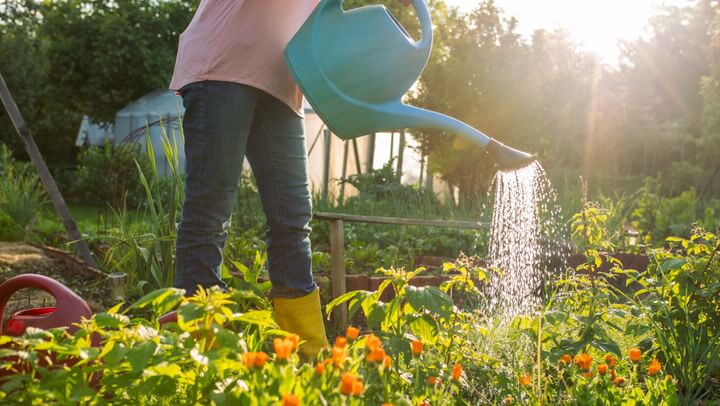
Ask any experienced gardener what separates a thriving bed from a struggling one, and watering will come up fast. Not fertilizer, not fancy seed varieties, just consistent, well-timed water delivered where roots can use it.
The trouble is that “water regularly” is vague advice. Water too little and tomatoes split, lettuce bolts, and petunias flop by midafternoon. Water too much and you invite root rot, fungal disease, and a higher water bill. This guide walks through how to water a vegetable or flower garden efficiently, and where a bit of automation can make the job easier.
Why Watering Is the Chore Most Gardeners Get Wrong
Most watering mistakes come from habit rather than plant needs. We water when we remember, when it is convenient, or when the plants already look sad. By the time leaves are drooping, the plant has been stressed for a while.
Another common mistake is shallow, frequent watering. A quick evening spray wets the surface and looks satisfying, but much of that water never reaches the root zone. Plants watered this way tend to develop shallow roots that dry out quickly during hot spells.
Efficient watering flips the script: water deeply, less often, at the right time of day, and only when the soil actually needs it.
How Much Water Does a Garden Actually Need?
There is no single number that fits every plant, soil, and climate, but there is a useful starting point. According to Iowa State University Extension and Outreach, most vegetable gardens need about 1 inch of water per week from rain and irrigation combined, applied so the soil is moistened 6 to 12 inches deep, where most vegetable roots grow.
That “combined” part matters. A rain gauge in the garden tells you how much nature has already delivered, so you only make up the difference. Sandy soils drain faster and usually need more frequent watering, while clay soils hold moisture longer.
Flower beds follow similar logic. Annuals in full sun and containers dry out fastest, while established perennials and shrubs with deeper roots can usually go longer between waterings.
The Finger Test Still Works
Before you water, check the soil. University of Florida IFAS Extension suggests watering vegetables when the top half-inch to inch of soil begins to dry, or when plants begin to wilt. Push a finger into the soil near the base of the plant. If it feels dry at the first knuckle, it is time. If it is still cool and damp, wait.
Timing: Water Early, Water Deep
Early morning is the best time to water for most gardens. UF/IFAS recommends early morning, preferably between 4 and 6 a.m., because soil and foliage have time to dry during the day, which helps limit disease.
Midday watering loses more to evaporation, and evening watering can leave leaves wet overnight, which favors fungal problems on plants like squash, cucumbers, roses, and zinnias.
When you do water, go slow and deep. A long, gentle soak that reaches the root zone is far more useful than several quick sprinkles. Over time, this encourages roots to grow downward, making plants more resilient when the weather turns hot and dry.
Match the Watering Method to the Bed
Different parts of the garden benefit from different approaches. Matching the method to the planting is one of the easiest ways to stop wasting water.
Drip Lines and Soaker Hoses for Vegetables
Drip irrigation delivers water directly to the soil at the base of plants. Iowa State Extension notes that drip systems often use 30% to 50% less water than traditional methods, with minimal runoff and evaporation, and keeping foliage dry helps reduce disease. For rows of tomatoes, peppers, beans, and squash, a drip line or soaker hose laid under mulch is hard to beat.
The main maintenance task is checking emitters for clogs a few times a season, especially if you have hard water.
Flower Beds and Mixed Borders
Densely planted flower beds can work with drip line snaked between plants, or low-angle sprinklers that keep water close to the ground. Avoid high-arc sprinklers that spray foliage and lose water to wind. Grouping plants with similar water needs together, sometimes called hydrozoning, lets you water thirsty annuals more often without drowning drought-tolerant perennials nearby.
Raised Beds and Containers
Raised beds and pots warm up and dry out faster than in-ground beds. Short drip runs or micro-sprayers work well here. Containers in full summer sun may need water daily, so they are often the first place gardeners look for help with automation.
Where Smart Irrigation Fits In
Once you understand what your plants need, the challenge becomes consistency. Life gets busy, weekends away happen, and a heat wave can turn a twice-a-week schedule into a daily one. This is where a connected watering setup earns its place.
Traditional hose timers run on a fixed clock, whether it rained last night or not. A smart setup adds information. Soil moisture sensors report what is happening at root level, local weather data can skip a cycle when rain is on the way, and a phone app lets you adjust schedules from anywhere. A system like the RainPoint smart irrigation system, which pairs soil and weather sensors with app-based scheduling, is one example of how home gardeners can move from watering on a timer to watering on actual need.
The goal is not to hand over all judgment to a gadget. It is to make the good habits above happen automatically, even on days when you are not home.
Setting Up Zones for Vegetables and Flowers
If your timer or controller supports multiple zones, split the garden by water needs rather than by location. A simple layout might look like this:
- Zone 1: Vegetable beds on drip line, watered deeply in the early morning, two to three times a week in summer.
- Zone 2: Flower borders and perennials, watered less often and adjusted by soil moisture readings.
- Zone 3: Containers and hanging baskets, watered more frequently with short cycles.
Start conservatively, then watch your plants and soil for a couple of weeks and adjust. The sensor readings and your own observations together will tell you more than any default schedule.
Habits That Make Any Watering System Work Better
Even the best equipment works best alongside a few simple practices:
- Mulch generously. A layer of straw, shredded leaves, or wood chips keeps soil cooler and slows evaporation.
- Adjust seasonally. Plants need more water in midsummer than in spring or fall, so revisit your schedule as the weather changes.
- Use a rain gauge. Knowing how much rain fell helps you skip unnecessary watering.
- Inspect your lines. Look for leaks, clogged emitters, or puddles a few times each season.
- Watch the plants. Wilting in the morning, yellowing lower leaves, or cracked fruit are all signals to revisit your routine.
Final Thoughts
Efficient watering is less about how much effort you put in and more about delivering the right amount of water, at the right time, to the right place. Water deeply in the morning, check the soil before you turn on the tap, and choose methods that keep water at root level.
Add a little automation where it helps most, and your vegetables and flowers will get steady, consistent care while you spend more time enjoying the garden instead of tending the hose.
