

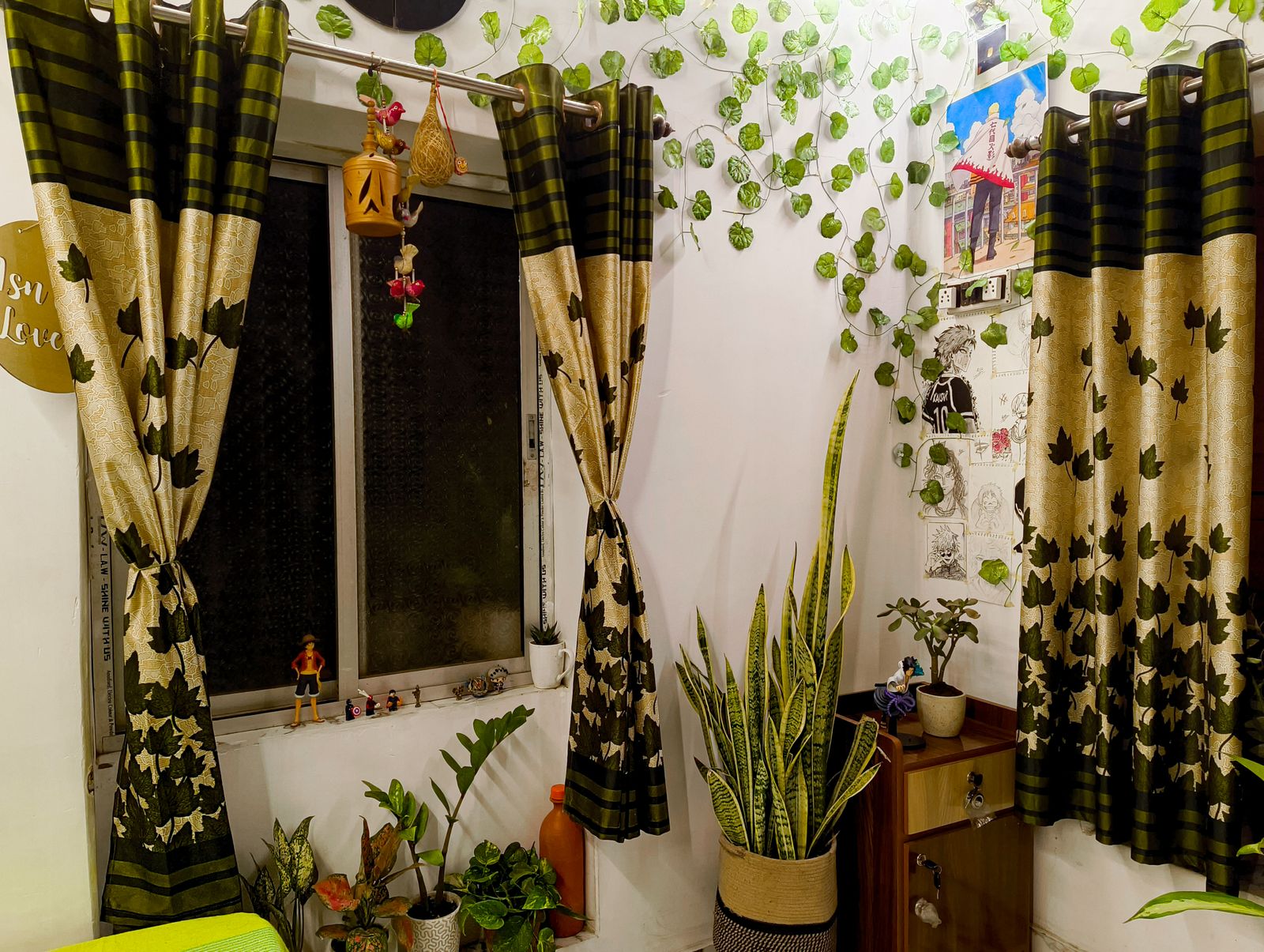
The best low light indoor plants include snake plants, ZZ plants, pothos, peace lilies, and cast iron plants. “Low light” means bright enough to read by with no direct sun — not darkness.
That dim hallway, the north-facing living room, the office corner far from any window — most homes have at least one spot where light is scarce and ordinary plants give up. The good news: a solid cast of houseplants doesn’t just survive those spots, it genuinely does well in them. You only need to understand what “low light” actually means first.
What Does “Low Light” Actually Mean?
- Bright indirect: near a sunny window, no direct rays.
- Medium: a few feet back from the window.
- Low: no direct sun, but bright enough to read by.
Try the hand-shadow test: hold your hand about a foot above a sheet of paper in the spot you’re wondering about. A sharp, dark shadow means bright light; a fuzzy one means medium; a faint, blurry one means low. If you can’t see a shadow at all, there’s effectively no light there — that spot needs a grow light, not wishful thinking. And remember: “tolerates low light” doesn’t mean “prefers low light.” Every plant on this list grows better with more light; low light is something they endure gracefully, not something they crave.
The plants below are all true houseplants — species that evolved or were bred to live their whole lives indoors — which is exactly why they handle dim corners better than anything dragged in from the garden. New to growing indoors? Read our guide to indoor gardening for beginners first.
10 Low Light Indoor Plants
These ten have proven themselves in the darkest corners of real homes — north-facing rooms, hallways, offices with one small window. None needs direct sun, and all forgive the occasional forgotten watering.
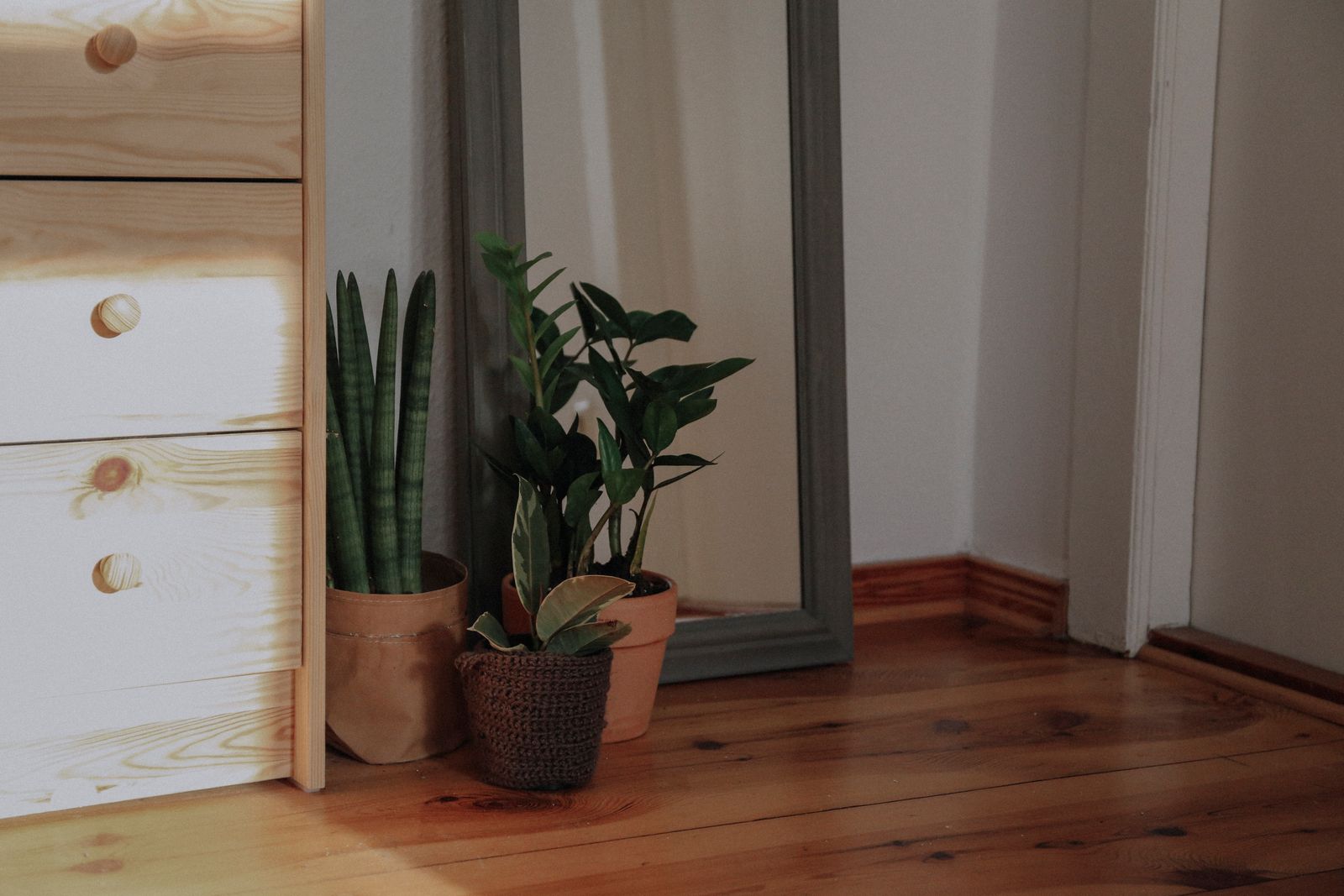
1. Snake Plant (Sansevieria trifasciata)
The classic low-light survivor. Those upright, sword-like leaves store water and shrug off neglect that would finish fussier plants. Light: low to bright indirect. Water: only when the soil is fully dry. Note: toxic to pets.
2. ZZ Plant (Zamioculcas zamiifolia)
Glossy, dark-green leaves on arching stems, with thick underground rhizomes that store water — that’s why it forgives neglect so well. It grows slowly, especially in dim spots, so don’t panic if it seems to sit still for months. Light: low to bright indirect. Water: every 2–3 weeks. Note: toxic to pets.
3. Pothos (Epipremnum aureum)
Trails happily from shelves and baskets, rooting wherever a node touches soil. In dim spots, variegated types often revert to plain green — that’s a normal, healthy adaptation (more green means more photosynthesis), not a problem. Light: low to bright indirect. Water: when the top inch of soil is dry. Note: toxic to pets.
4. Peace Lily (Spathiphyllum)
One of the few houseplants that will actually bloom in low light. Its glossy leaves droop dramatically when it’s thirsty — the plant literally tells you when it needs a drink. Light: low to medium indirect. Water: keep lightly moist. Note: toxic to pets.
5. Cast Iron Plant (Aspidistra elatior)
It earned the name. Deep shade, missed waterings, dusty corners — the cast iron plant tolerates them all and keeps its broad, dark leaves looking respectable. It’s also one of the few genuinely pet-safe plants on this list. Light: low to medium indirect. Water: when the top 1–2 inches of soil are dry. Note: non-toxic to pets.
Dim conditions change the watering equation completely — learn how to water indoor plants so you don’t drown these slow drinkers.
6. Dracaena (Dracaena fragrans / D. marginata)
Adds welcome height to dim corners with its striped, strappy foliage — handy when everything else on this list is low and trailing. It’s unbothered by medium to low indirect light. Light: low to medium indirect. Water: when the top inch of soil is dry. Note: toxic to pets.
7. Heartleaf Philodendron (Philodendron hederaceum)
A tough trailer that keeps growing where fussier plants quit. Heart-shaped leaves on vining stems you can let trail or train up a small trellis — one of the most dependable plants you can own. Light: low to medium indirect. Water: when the top inch of soil is dry. Note: toxic to pets.
8. Chinese Evergreen (Aglaonema)
Grown for its patterned leaves — silver, green, sometimes flushed with pink or red — rather than flowers. It’s among the most shade-tolerant foliage plants you can buy, and newer cultivars are tougher than the old ones. Light: low to medium indirect. Water: when the top inch of soil is dry. Note: toxic to pets.
9. Parlor Palm (Chamaedorea elegans)
The Victorian dim-parlor favorite, and still one of the best palms for low light. Slow-growing and compact — it won’t outgrow its corner in a hurry. Light: low to bright indirect. Water: keep lightly moist. Note: non-toxic to pets.
10. Spider Plant (Chlorophytum comosum)
Tolerates low light and bounces back quickly from neglect — brown tips and all, it recovers fast once conditions improve. A happy one sends out arching stems of baby spiderettes you can pot up for free plants. Light: low to bright indirect. Water: keep lightly moist. Note: non-toxic to pets.
The 10 Picks at a Glance
| Plant | Light | Watering | Safe for pets? |
|---|---|---|---|
| Snake plant | Low to bright indirect | Only when soil is fully dry | No |
| ZZ plant | Low to bright indirect | Every 2–3 weeks | No |
| Pothos | Low to bright indirect | Top inch of soil dry | No |
| Peace lily | Low to medium indirect | Keep lightly moist | No |
| Cast iron plant | Low to medium indirect | Top 1–2 inches dry | Yes |
| Dracaena | Low to medium indirect | Top inch of soil dry | No |
| Heartleaf philodendron | Low to medium indirect | Top inch of soil dry | No |
| Chinese evergreen | Low to medium indirect | Top inch of soil dry | No |
| Parlor palm | Low to bright indirect | Keep lightly moist | Yes |
| Spider plant | Low to bright indirect | Keep lightly moist | Yes |
Placement Tips for Dark Corners
Match the plant to the spot, not the other way around — the toughest low-light plant still does better a few feet nearer the window. Rotate pots a quarter turn every week or two so growth stays even; plants lean toward light, even dim light. Keep the leaves dust-free, because in low light every photon counts. For truly windowless areas, a full-spectrum LED grow light changes everything — they’re cheap, cool-running, and sip electricity. Pair this list with our guide to the best indoor plants for air quality if you want greenery that freshens the air too, and browse our container gardening ideas for small-space arrangements.
The #1 Mistake: Overwatering
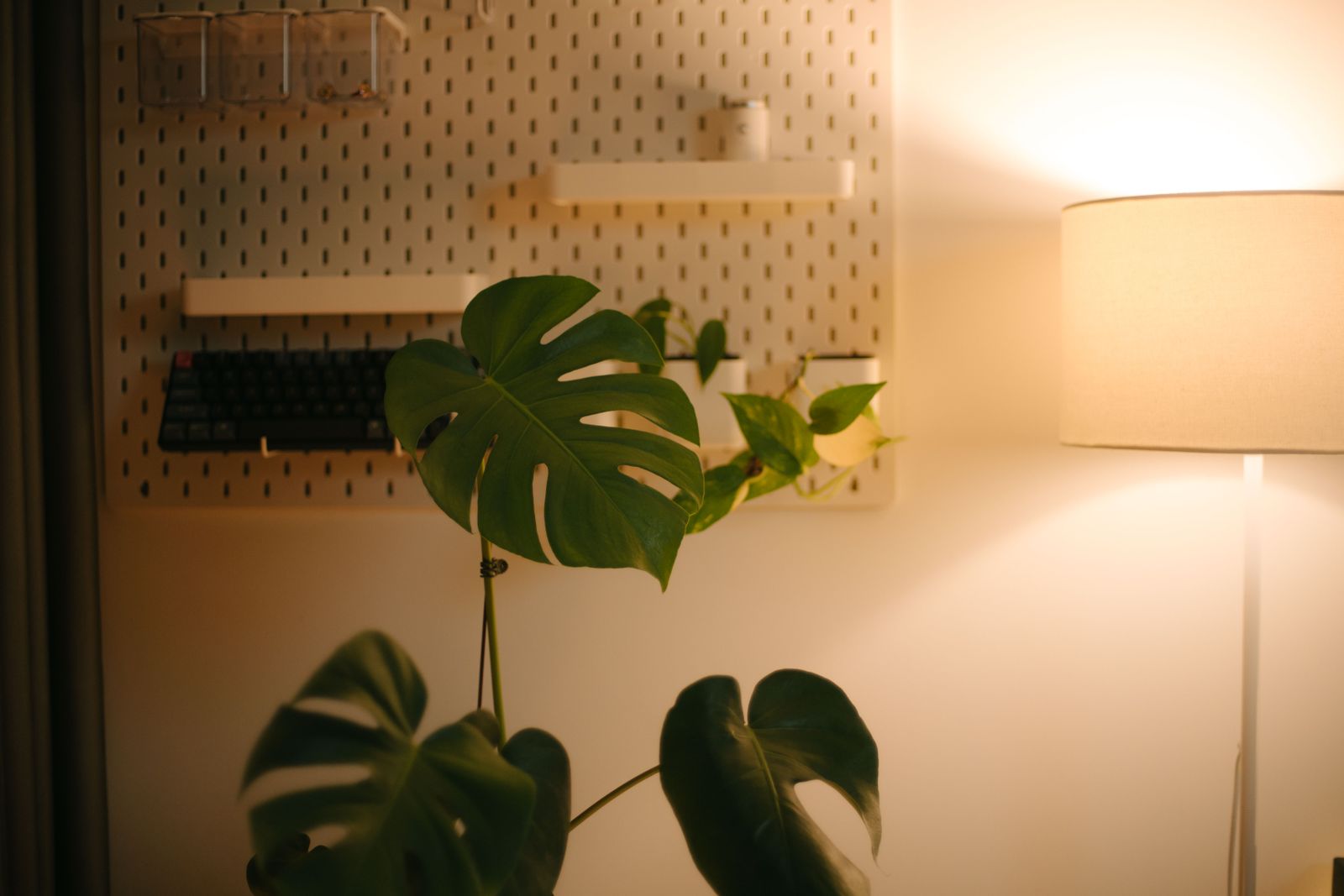
In low light, plants use far less water — photosynthesis slows, growth stalls, and the soil stays wet much longer than you’d expect. That’s why the classic beginner error is loving a dim-corner plant to death with the watering can. Always check the soil first: underwatering is safer than overwatering, because a thirsty plant recovers and a rotted one usually doesn’t. Drainage holes are essential, not optional. The University of Georgia Extension’s houseplant guidance backs this up with research-based watering advice.
Our routine: water thoroughly until it drains from the bottom, then wait until the top inch or two of soil is dry before watering again. In a dim room, that can mean two to three weeks between waterings — set a reminder to check, not a reminder to water.
Feeding and Upkeep in Dim Rooms
Go easy on fertilizer. A plant barely growing in low light barely eats — feed at quarter to half strength, in spring and summer only, and skip it entirely in fall and winter. Dust the leaves every few weeks; in a dim room, a dusty leaf is a starving leaf. And don’t repot on a schedule — these slow growers are usually happiest slightly snug in their pots.
The Short Version
- Best choices: snake plants, ZZ plants, pothos, peace lilies, cast iron plants, dracaenas, philodendrons, Chinese evergreens, parlor palms, and spider plants.
- Low light means readable brightness with no direct sun — not darkness.
- Water much less often in dim conditions; check the soil first.
- Rotate plants regularly, and consider LED grow lights for windowless spots.
Frequently Asked Questions
Can any plant survive with no natural light?
No. Every plant needs light for photosynthesis — a truly windowless room needs a full-spectrum LED grow light running 8–12 hours a day. With one, most plants on this list do just fine.
How often should I water low light indoor plants?
Every 2–3 weeks is typical, but always check the soil first — pot size, soil mix, and room temperature all shift the timing.
Why are the leaves turning yellow?
The most common cause is overwatering in dim conditions. Check that the soil isn’t staying soggy and that the pot drains freely.
Do low light plants need fertilizer?
Very little — quarter to half strength, in spring and summer only. A slow-growing plant in dim light barely feeds.
Will pothos lose variegation in low light?
Often, yes — and it’s a healthy adaptation, not damage. More green leaf means more photosynthesis. Move it somewhere brighter and new growth will show variegation again.
Are low light plants safe for pets?
Cast iron plant, parlor palm, and spider plant are non-toxic; many others on this list are toxic to cats and dogs. Check the ASPCA’s toxic and non-toxic plant database before bringing any new plant home.
A Final Word
Start with the spot, not the plant. Test your corner with the hand-shadow trick, pick two or three plants from this list that match it, and water with restraint. Low-light gardening rewards patience more than effort — these plants won’t grow fast, but they’ll be there, green and steady, in the corners where nothing else would bother.
