

Most websites today are fighting for attention.
Every page wants clicks, every headline wants traffic, and every article tries to rank quickly on search engines.
But readers have become smarter.
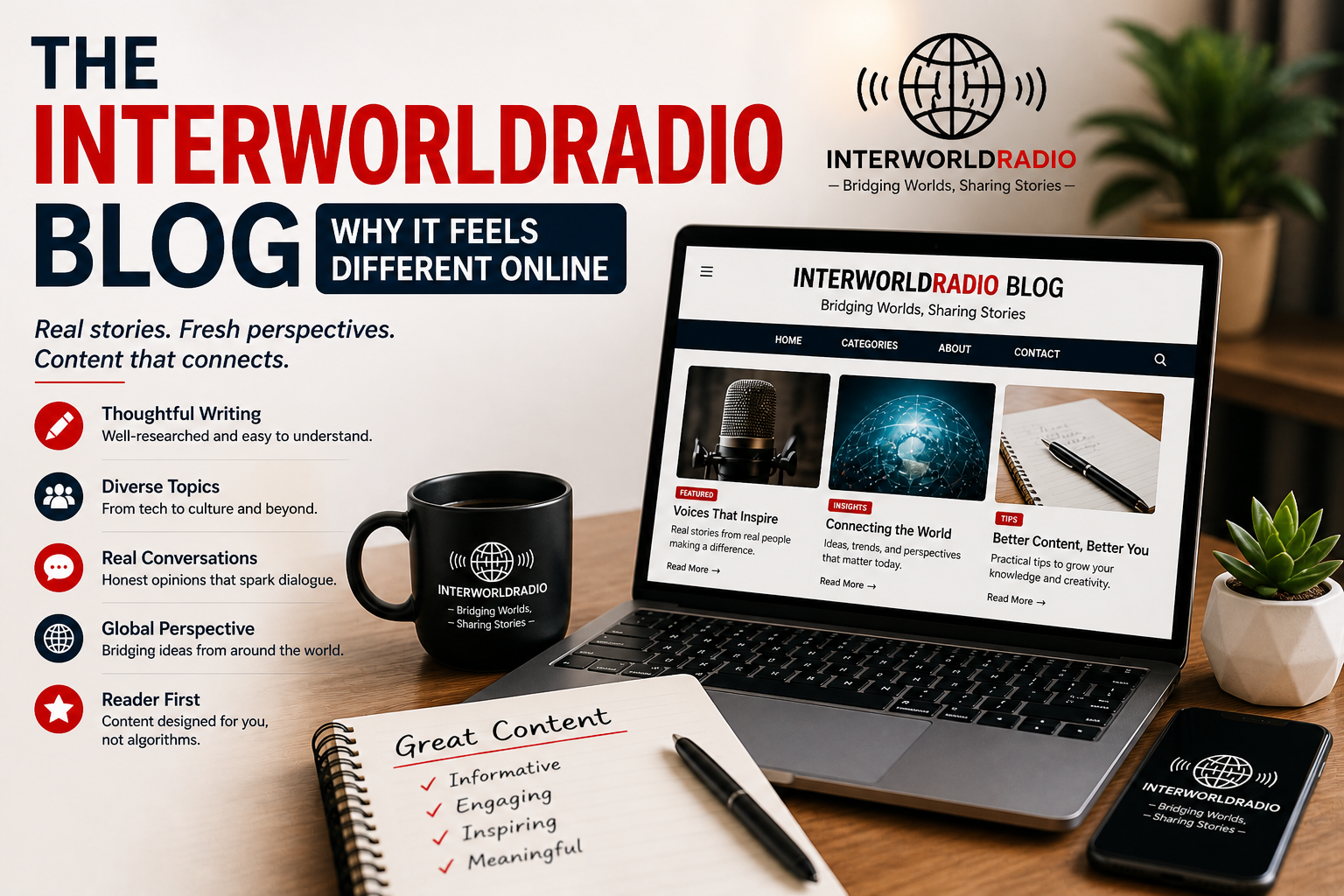
People now recognize when content feels rushed, copied, or written only for algorithms. That is one reason why the Interworldradio blog is gaining attention among online readers. Its style feels more thoughtful, easier to follow, and more connected to real human interests.
Instead of overwhelming visitors with unnecessary complexity, the blog focuses on content people can actually enjoy reading.
In this article, we will explore what makes the Interworldradio blog different, why readers keep returning, and how this style of blogging reflects the future of online content.
A New Era of Reader Expectations
The internet has changed dramatically over the last decade.
In the past, many blogs succeeded simply by publishing large amounts of content. Quality was not always important.
Today, that approach rarely works long term.
Modern readers expect:
- useful information
- fast answers
- authentic tone
- easy navigation
- relatable writing
If an article feels confusing or repetitive, people leave immediately.
The Interworldradio blog reflects this shift by focusing more on reader experience than outdated blogging tactics.
What Makes the Interworldradio Blog Stand Out?
Thousands of blogs exist online, but only a small percentage build loyal audiences.
So why does this blog style feel different?
Reader-Friendly Communication
One of the biggest strengths of the Interworldradio blog is readability.
Articles often use:
- short paragraphs
- direct explanations
- simple wording
- natural conversation style
This makes content easier to understand for both beginners and experienced readers.
For example, someone searching for digital media insights does not want academic language. They want information explained clearly.
That simplicity creates stronger engagement.

Topics That Feel Relevant
People spend time on content that connects with their interests or solves real problems.
The Interworldradio blog often focuses on:
- online trends
- creative discussions
- digital culture
- modern communication
- practical advice
This variety helps attract different types of readers while keeping content fresh.
Less Noise, More Value
Many websites fill articles with unnecessary words just to increase length.
Readers notice this quickly.
Strong blogs avoid filler and focus on useful insights instead.
That approach builds trust over time.
Why Human Writing Matters More Than Ever
Artificial intelligence has made content creation faster, but readers still prefer writing that feels personal.
A human tone creates emotional connection.
For example:
Robotic version:
“Digital platforms optimize informational distribution channels.”
Natural version:
“People enjoy websites that share useful ideas clearly.”
The second sentence feels easier and more relatable.
That difference matters.
The Interworldradio blog succeeds because its style often feels closer to real conversation than automated publishing.
Real Examples of Content That Connects
Understanding blogging becomes easier through examples.
Example 1: The Community Story Writer
A writer started sharing stories about local musicians and independent creators.
Instead of chasing viral news, the blog focused on authentic interviews and behind-the-scenes experiences.
Readers returned regularly because the content felt genuine.
Example 2: The Student Blogger
A college student created simple articles explaining online tools for beginners.
The writing style stayed casual and practical.
Within months, traffic improved because readers appreciated clear explanations instead of technical jargon.
Example 3: The Podcast Companion Blog
One podcast creator used written blog posts to summarize interviews and key lessons.
This helped:
- improve website visibility
- increase audience engagement
- attract readers who preferred text over audio
The blog became an important part of the overall brand.
How Good Blogs Keep Readers Interested
Keeping attention online is difficult.
People scroll quickly and leave pages fast if content feels boring.
Successful blogs use several strategies to maintain engagement.
Strong Openings
The first few lines are extremely important.
Weak introduction:
“Blogs are popular websites used for information.”
Better version:
“Most readers decide within seconds whether a blog is worth their time.”
The second version creates curiosity immediately.
Clear Formatting
Readers rarely enjoy massive blocks of text.
Modern blog formatting includes:
- headings
- bullet points
- spacing
- short sections
This improves readability on mobile devices as well.
Useful Information First
Readers appreciate articles that quickly provide value.
Instead of adding long filler introductions, strong blogs move directly into practical insights.
SEO Lessons From the Interworldradio Blog
SEO is still important, but the rules have changed.
Old methods focused heavily on:
- keyword repetition
- exact match phrases
- publishing large quantities of articles
Modern SEO focuses more on:
- helpful content
- reader satisfaction
- engagement
- originality
That is why blogs with natural writing often perform better now.
Smart Blogging Habits That Work Today
Anyone can improve their online writing with consistent effort.
Focus on Search Intent
Before writing, ask:
- What does the reader actually want?
- What problem are they trying to solve?
- What information would help them most?
Understanding intent improves article quality immediately.
Keep Language Simple
Simple writing is not weak writing.
In fact, easier language often performs better because more people understand it quickly.
Example:
Complex version:
“Audience retention increases through optimized readability structures.”
Simple version:
“Easy articles keep readers interested longer.”
The second version feels clearer and more natural.
Add Real Examples
Examples make articles feel believable.
Readers trust content more when they see practical situations instead of vague advice.
Improve Structure
Good structure helps readers stay focused.
Helpful structure includes:
- clear headings
- logical flow
- short paragraphs
- clean formatting
These small improvements make a huge difference.
Common Problems That Hurt Blogs
Even good writers make mistakes.
Writing Only for Search Engines
Some blogs repeat keywords excessively while forgetting real readers.
That creates poor user experience.
Sounding Too Formal
Overly professional language can create distance between writer and audience.
People prefer blogs that feel approachable.
Chasing Every Trend
Trend-based content can bring short traffic spikes, but evergreen articles usually provide stronger long-term growth.
How Blogs Build Long-Term Trust
Trust is one of the most valuable things online.
Readers return to blogs that consistently provide:
- useful information
- honest opinions
- practical guidance
- relatable stories
For example, a small entertainment blog slowly grew over several years simply because readers trusted its reviews and recommendations.
The website never became viral overnight, but it built a loyal audience through consistency.
That type of growth is more sustainable.
People Also Ask
What is the Interworldradio blog about?
The Interworldradio blog focuses on engaging, informative, and reader-friendly content related to modern digital discussions, trends, and communication.
Why do readers enjoy the Interworldradio blog?
Readers enjoy it because the content feels natural, useful, and easier to understand compared to many overly complicated websites.
Does natural writing improve SEO?
Yes. Natural writing improves readability and user engagement, which helps search engines understand that readers find the content valuable.
What makes a blog successful today?
Successful blogs usually focus on:
- originality
- reader experience
- useful information
- consistency
- authentic communication
How often should blogs publish articles?
Quality matters more than quantity. Publishing one strong article regularly is usually better than posting low-quality content daily.
The Future of Online Blogging
The internet is becoming increasingly crowded with automated content.
As a result, authenticity is becoming more valuable.
Readers are beginning to prefer:
- personality
- clarity
- honesty
- experience-based writing
- meaningful discussions
The Interworldradio blog reflects that direction.
Its style shows that useful and human-centered content still matters, even in a highly competitive online environment.
Simple Ways to Improve Your Own Content
If you want to create stronger articles yourself, start with these habits.
Read Your Writing Out Loud
If a sentence sounds awkward while speaking, it probably feels awkward to readers too.
Remove Unnecessary Words
Editing improves clarity.
Shorter sentences often feel stronger online.
Add Helpful Internal Links
Guide readers toward related topics naturally.
Example:
If you want to improve content rankings, read our SEO guide for beginner publishers.
This improves user experience while helping website navigation.
Final Thoughts
The Interworldradio blog represents something many websites are currently missing: content that feels real.
Readers are tired of articles written only for algorithms. They want useful insights, simple explanations, and writing that feels human.
That is why blogs focused on clarity and authenticity continue building loyal audiences.
Whether you are a casual reader, content creator, or new blogger, one lesson remains clear:
The best online content is not the most complicated.
It is the most helpful.
