

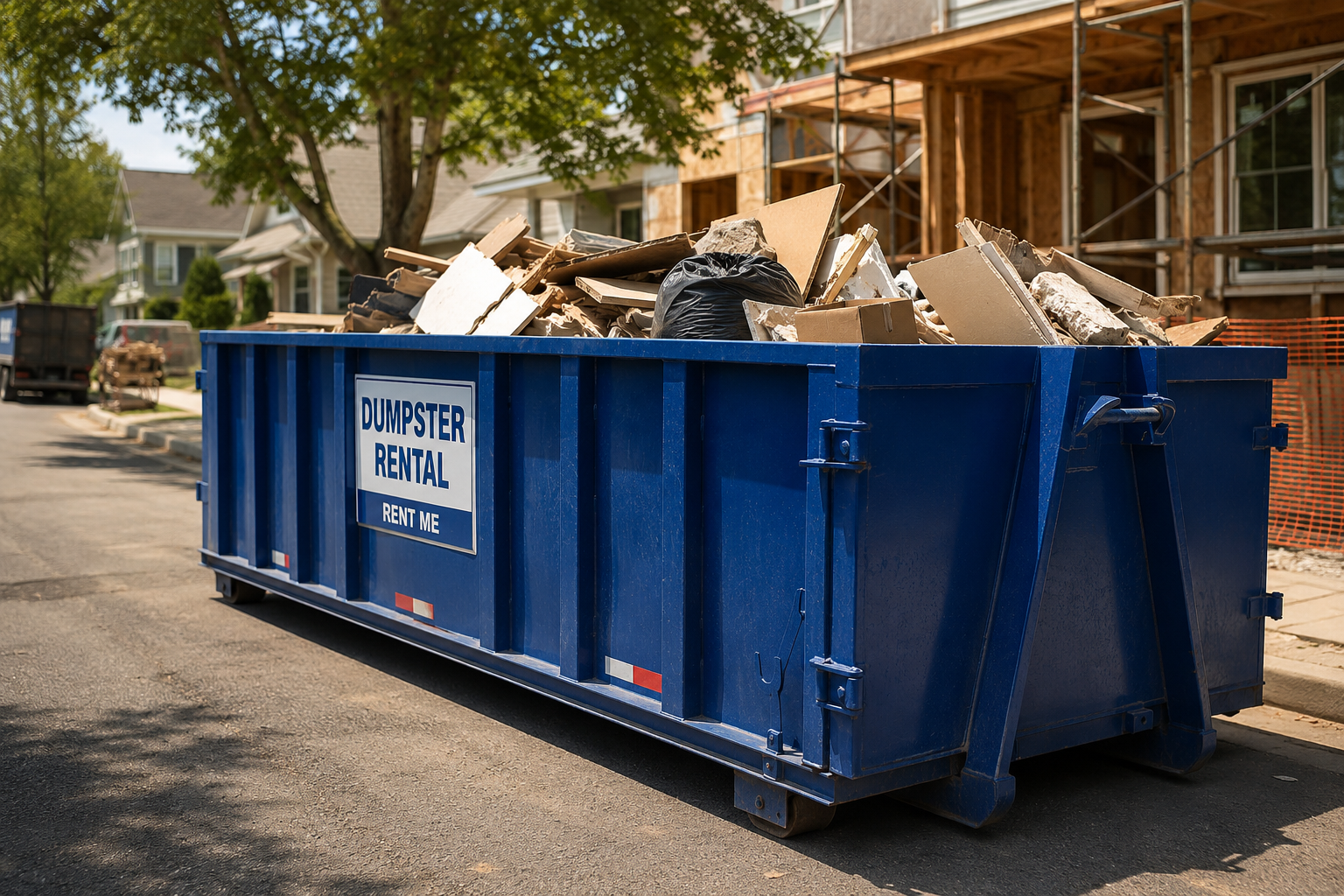
Whether you are overseeing a large-scale commercial build, coordinating a residential renovation, or managing a thorough property cleanout, handling the sheer volume of accumulated debris is one of the most critical aspects of project logistics. Debris piles that are left to collect in unmanaged heaps do more than just ruin the visual appeal of a neighborhood—they create severe safety hazards, block crucial access paths for workers, and can result in costly municipal fines.
To maintain an organized workflow and keep your timeline on track, establishing a central disposal point is a fundamental necessity. For builders and property owners managing cleanups or structural upgrades this season, arranging for a reliable dumpster rental Albuquerque ensures that all waste materials are consolidated safely and hauled away efficiently.
1. Choosing the Right Container Size for Your Project
Waste management is never a one-size-fits-all operational task. Choosing a container size that matches your specific project scale prevents you from paying for empty space or dealing with dangerous overfills.
- 10 to 15-Yard Containers: Ideal for small-scale residential updates, garage cleanouts, minor bathroom remodels, or removing heavy materials like old roofing shingles and broken concrete walkways.
- 20-Yard Containers: The industry standard for mid-sized renovations, extensive carpet or flooring removals, deck demolitions, and large yard landscaping overhauls.
- 30 to 40-Yard Containers: Designed specifically for commercial construction sites, major structural additions, complete estate cleanouts, or window and siding replacements for multi-family buildings.
2. Maintaining Safety and Compliance on Site
A cluttered work environment is inherently dangerous. Strewing sharp materials, old lumber with exposed nails, and heavy masonry pieces across a yard or driveway introduces significant liability risks.
Deploying a heavy-duty roll-off container directly on-site encourages workers to discard debris immediately, keeping walking paths clear and minimizing slip-and-trip accidents. Furthermore, specialized rental services understand local municipal codes and environmental guidelines, ensuring that your discarded materials are sorted and disposed of in full compliance with regional waste regulations.
3. Comparing Strategic Disposal Options
Managing high-volume waste by packing it into standard trash bins or making repeated trips to a regional landfill in a personal vehicle drains your time, fuel, and energy.
| Project Disposal Method | Time and Effort Investment | Financial & Structural Risk |
|---|---|---|
| Manual Landfill Hauling | Hours spent driving, loading, unloading, and waiting in long landfill lines. | Potential vehicle damage, high gate fees, and lost labor hours. |
| Standard Curbside Bins | Highly restrictive weight limits; takes weeks to clear large debris amounts. | High risk of city code violations and neighborhood complaints. |
| On-Site Roll-Off Rental | Waste is thrown directly into a central bin; hauled away with a single call. | Fixed, transparent upfront pricing with zero transport hassle. |
4. Protecting Your Property Assets During Delivery
A heavy steel container can place immense stress on concrete driveways or asphalt pathways if it isn’t placed carefully. Professional disposal teams protect your property by utilizing protective wood planking beneath the dumpster’s steel rollers. This distributes the weight evenly, preventing surface scratches, cracking, or indentation on your driveway while the bin handles heavy construction debris.
Conclusion: Keeping Your Infrastructure Organized
Every successful structural build or property transformation relies on clear organization and efficient logistics. Leaving waste management as an afterthought stalls your timeline and introduces unnecessary safety risks to your crew and family. By securing a dedicated waste containment system early in your planning phases, you can focus entirely on the quality of your craftsmanship, knowing your site cleanup is completely covered.
