

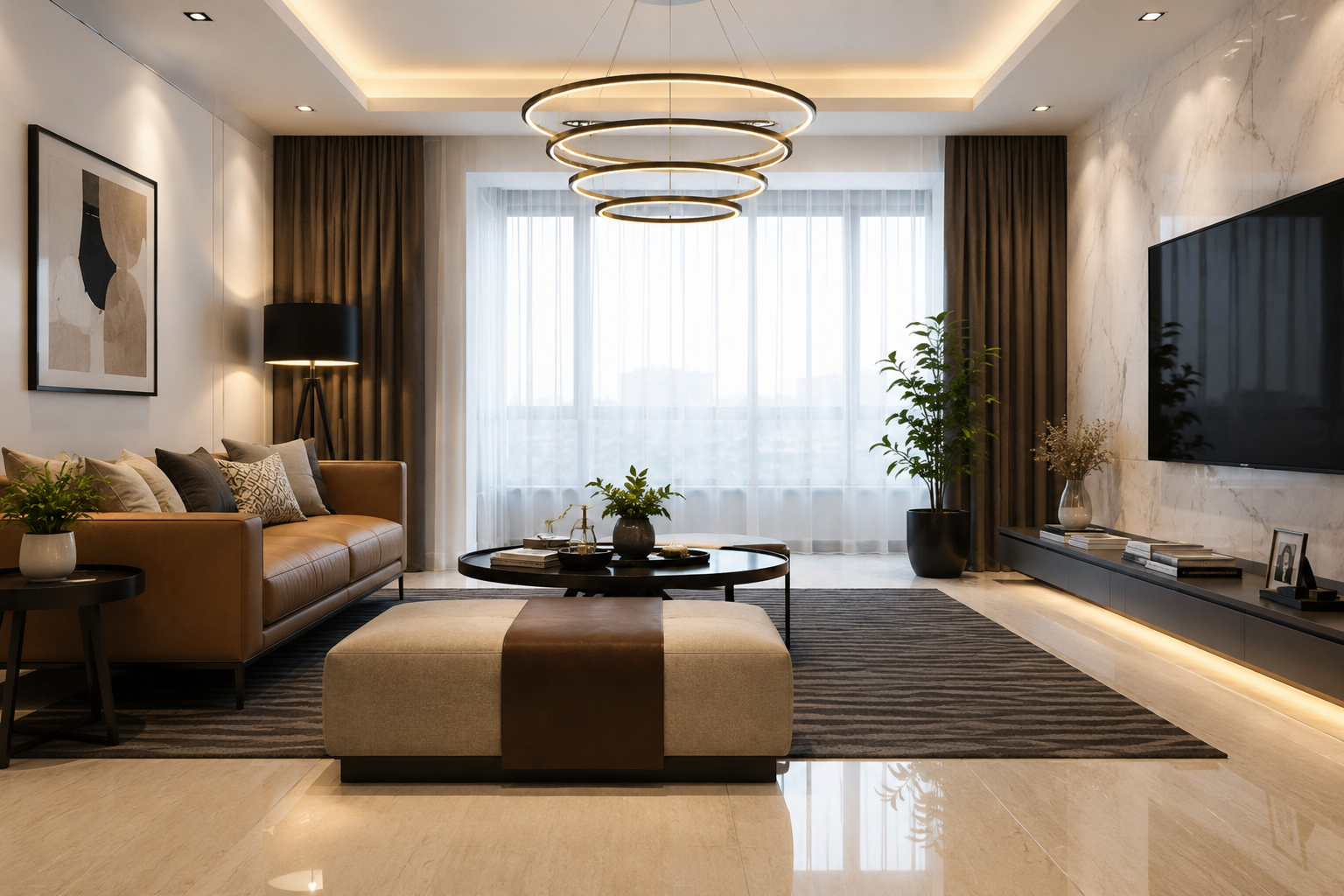
How to Decorate My House Decoradhouse
Creating a beautiful home is not about spending a fortune or copying luxury interiors from magazines. A well-decorated space reflects personality, comfort, lifestyle, and functionality. Whether you live in a small apartment, a family house, or a modern studio, thoughtful decoration can completely change the atmosphere of your living space.
Many people search for ideas about how to decorate my house decoradhouse because they want practical inspiration that feels realistic, stylish, and easy to apply. Good home styling is not just about furniture placement. It includes lighting, textures, color balance, organization, wall design, comfort, and emotional connection.
A home should feel welcoming the moment someone enters. The right decor choices create warmth, improve mood, increase functionality, and even make daily life less stressful. From Scandinavian minimalism to rustic farmhouse charm, every decorating style works best when adapted to personal needs instead of blindly following trends.
This guide explores modern home decoration ideas, interior styling techniques, room transformation tips, and smart design strategies that help create a timeless and comfortable environment.
Understanding Your Home Style Before Decorating
Before buying furniture or painting walls, it is important to understand your preferred interior design style. Many homes look cluttered because different decor themes are mixed without direction.
Some people prefer modern interiors with neutral tones, clean lines, and open spaces. Others enjoy bohemian decor filled with layered textures, handmade crafts, indoor plants, and earthy colors. Traditional homes often use elegant furniture, warm lighting, wooden accents, and classic decorative pieces.
When thinking about how to decorate my house decoradhouse, start by identifying what makes you feel relaxed and inspired. Browse home decor magazines, Pinterest boards, IKEA catalogs, or interior design showcases to notice recurring patterns in what attracts you.
A clear style direction helps avoid unnecessary purchases and creates a cohesive appearance throughout the house.
Choosing the Right Color Palette
Color plays a major role in home decoration because it directly affects mood and perception of space. Light shades often make rooms appear larger and brighter, while darker tones create coziness and depth.
Neutral palettes such as white, beige, cream, gray, and soft taupe remain popular because they work with almost every decor style. These colors also make it easier to change decorative accessories over time without redesigning the entire room.
Accent colors bring personality into the home. Deep green, navy blue, terracotta, mustard yellow, and muted olive are widely used in modern interiors because they add richness without overwhelming the space.
A balanced color scheme usually combines three layers: a dominant base color, a secondary supporting tone, and smaller accent shades through pillows, rugs, artwork, or curtains.
Natural lighting should also influence paint selection because sunlight changes how colors appear during the day.
Making Small Spaces Feel Bigger
One of the biggest decorating challenges is maximizing smaller spaces. Smart design choices can make compact rooms feel open, functional, and visually attractive.
Mirrors are highly effective because they reflect light and create the illusion of depth. Large mirrors opposite windows instantly brighten a room and visually expand walls.
Multi-functional furniture is another smart solution. Storage ottomans, foldable dining tables, wall-mounted desks, and beds with hidden drawers save valuable space while maintaining style.
Minimal clutter is essential when considering how to decorate my house decoradhouse in smaller homes. Open shelves should not be overloaded with decorative items. Instead, focus on carefully selected pieces that provide visual interest without creating chaos.
Vertical space should also be utilized. Tall bookshelves, hanging plants, floating shelves, and wall lighting free up floor space and create a cleaner appearance.
The Importance of Lighting in Home Decor
Lighting is often underestimated, yet it completely changes the atmosphere of a home. Even expensive furniture can look dull under poor lighting conditions.
Natural daylight should always be maximized first. Sheer curtains, larger windows, and light-colored walls help distribute sunlight evenly throughout the room.
Artificial lighting works best in layers. Ambient lighting provides general illumination, task lighting supports activities like reading or cooking, and accent lighting highlights decorative features.
Warm lighting usually creates a more inviting environment than harsh white light. Floor lamps, pendant lights, table lamps, and LED strips can all contribute to a cozy atmosphere.
Statement lighting fixtures have become a major interior design trend. Chandeliers, industrial hanging lights, and sculptural lamps now function as artistic focal points in modern homes.
Decorating the Living Room Creatively
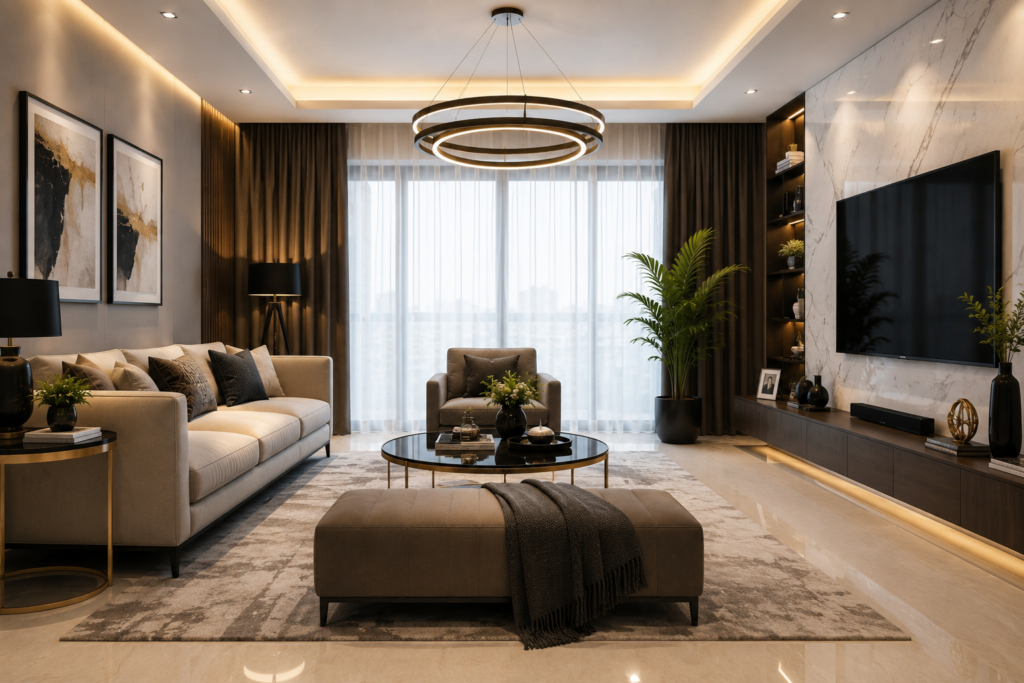
The living room is often the heart of the house because it serves as a gathering place for family and guests. Comfort and visual harmony should guide every decorating decision here.
Furniture arrangement matters more than people realize. Seating should encourage conversation while maintaining easy movement around the room. Oversized furniture in small spaces can make the area feel cramped.
Textures add depth and warmth. Combining linen curtains, velvet cushions, knitted throws, wooden tables, and soft rugs creates a layered designer look.
Wall art also plays an important role in how to decorate my house decoradhouse effectively. Large framed artwork, gallery walls, abstract paintings, or black-and-white photography can instantly personalize a room.
Indoor plants are another powerful decorative element. Snake plants, fiddle leaf figs, pothos, and peace lilies improve aesthetics while adding freshness and life.
Creating a Comfortable Bedroom Environment
A bedroom should feel peaceful and restorative rather than overly decorated. Soft colors, comfortable bedding, and calming lighting help create relaxation.
Quality bedding dramatically improves both comfort and appearance. Layered blankets, textured pillows, and breathable cotton sheets make the room feel luxurious without excessive spending.
Bed placement is also important. Many interior designers position beds where there is a clear view of the doorway while maintaining balance on both sides.
Wall decor in bedrooms should remain subtle. Soft artwork, fabric panels, minimal shelving, or decorative mirrors work better than overwhelming visual clutter.
Scent can also influence bedroom atmosphere. Candles, essential oil diffusers, and natural fragrances contribute to a calming environment that supports better sleep.
Designing a Functional Kitchen Space
Modern kitchens are no longer just cooking areas. They often serve as social spaces, dining zones, and family gathering spots.
Storage organization is essential for maintaining a clean appearance. Hidden storage solutions, labeled containers, pull-out shelves, and modular cabinets improve both functionality and aesthetics.
Countertops should remain relatively clear. Decorative trays, wooden cutting boards, ceramic jars, and small herb plants provide beauty without overcrowding surfaces.
Many homeowners researching how to decorate my house decoradhouse focus heavily on kitchen upgrades because kitchens significantly influence overall home value and visual appeal.
Open shelving has become popular in contemporary interiors, although it works best when items are arranged carefully with balanced spacing and consistent color coordination.
Bathroom Decoration Ideas That Feel Luxurious
Bathrooms can become stylish retreats with small but thoughtful improvements. Expensive renovations are not always necessary to achieve a refined look.
Neutral tiles combined with black fixtures, brass accents, or wooden accessories create a spa-inspired atmosphere. Large mirrors and soft lighting also make bathrooms appear more elegant.
Textiles matter here as well. Plush towels, woven baskets, quality shower curtains, and bath mats contribute to a polished appearance.
Greenery works surprisingly well in bathrooms because moisture supports many plant varieties like ferns and pothos.
Scented candles and minimalist accessories often create a high-end hotel feeling even in smaller bathrooms.
Using Texture and Materials for Depth
Professional-looking interiors rarely rely only on color. Texture creates visual richness and makes spaces feel more dynamic.
Natural materials such as wood, stone, linen, rattan, leather, and cotton add warmth and authenticity. These materials also age beautifully over time.
Combining smooth and rough surfaces helps maintain balance. For example, a sleek glass table paired with a woven rug and velvet seating creates visual contrast.
Texture is especially important in neutral homes because it prevents rooms from feeling flat or lifeless.
Many designers recommend focusing on tactile experiences when deciding how to decorate my house decoradhouse because touch contributes strongly to comfort perception.
Seasonal Decorating Without Overdoing It
Seasonal decor refreshes the home throughout the year without requiring complete redesigns.
During summer, lighter fabrics, fresh flowers, airy curtains, and brighter colors create openness and freshness. In winter, thicker blankets, warm lighting, candles, and earthy tones create coziness.
Small decorative changes often make the biggest difference. Swapping cushion covers, table centerpieces, or wall accents is enough to refresh a room seasonally.
Avoid overcrowding spaces with excessive holiday decorations. Balanced seasonal styling feels intentional rather than chaotic.
Budget-Friendly Home Decoration Tips
Beautiful homes are not always expensive. Creativity often matters more than budget.
Second-hand furniture, thrift stores, flea markets, and vintage shops can offer unique decorative pieces with character. Many old furniture items can be transformed through paint, upholstery, or refinishing.
DIY decor projects also add personality. Handmade wall art, custom shelves, painted planters, and repurposed furniture make spaces feel more personal and distinctive.
When exploring how to decorate my house decoradhouse on a budget, prioritize impactful changes first. Lighting, paint, curtains, and rugs usually create the most visible transformation for lower cost.
Buying fewer but higher-quality items is often better than filling rooms with cheap decor that quickly wears out.
Smart Technology and Modern Home Design
Technology now plays an increasing role in interior design. Smart lighting systems, voice-controlled assistants, automated curtains, and intelligent thermostats improve convenience while supporting modern aesthetics.
Minimalist tech integration works best visually. Hidden cables, mounted televisions, wireless devices, and discreet charging stations maintain a clean environment.
Many contemporary homes blend smart technology with natural materials to balance innovation and comfort.
Home automation also improves energy efficiency, security, and lifestyle convenience without sacrificing style.
Common Decorating Mistakes to Avoid
One common mistake is buying everything at once. Well-designed homes usually evolve gradually over time.
Ignoring scale and proportion can also disrupt a room’s appearance. Tiny rugs, oversized sofas, or poorly sized artwork create imbalance.
Another issue is excessive decoration. Empty space is important because it allows decorative elements to stand out naturally.
Poor lighting combinations often ruin otherwise beautiful interiors. Relying only on ceiling lights makes rooms feel flat and uninviting.
Following every social media trend can also lead to inconsistent design. Timeless decor usually combines personal taste with selective modern influences.
Building Emotional Connection Through Decor
The best homes feel emotionally meaningful rather than perfectly staged. Personal photographs, travel souvenirs, handmade crafts, books, family heirlooms, and meaningful artwork create authenticity.
A beautifully decorated home should support daily living instead of functioning like a showroom. Comfortable seating, functional layouts, and emotional warmth matter more than perfection.
People searching how to decorate my house decoradhouse often want more than visual beauty. They want a home that feels peaceful, welcoming, and deeply personal.
Thoughtful decoration improves quality of life because surroundings influence mental comfort, productivity, creativity, and relaxation.
Conclusion
Home decoration is a creative journey that combines style, comfort, functionality, and personality. A well-designed house does not require luxury budgets or professional interior designers. What matters most is intentional decision-making, balance, and understanding how each element contributes to the atmosphere of the space.
From lighting and furniture placement to textures, colors, and organization, every detail shapes how a home feels. Whether you prefer modern minimalism, rustic warmth, Scandinavian simplicity, or eclectic decor, the goal should always remain the same: creating a space that reflects your lifestyle while providing comfort and beauty.
When approaching how to decorate my house decoradhouse, focus on long-term comfort rather than short-term trends. A timeless home grows naturally, evolves with experience, and becomes more meaningful over time.
The most memorable homes are not always the most expensive ones. They are the spaces filled with warmth, purpose, creativity, and genuine personality.
