

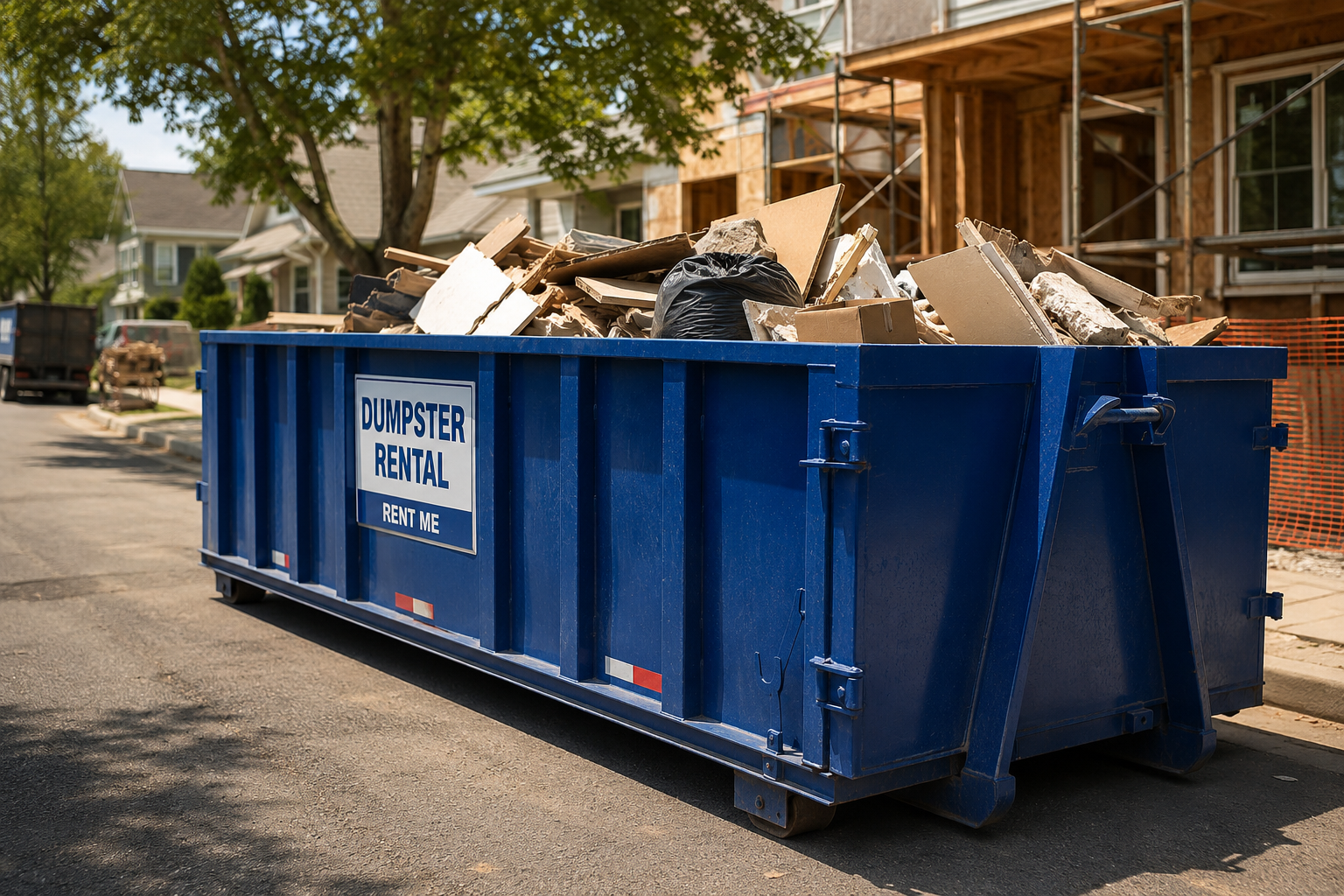
Streamlining waste management means planning how project waste is collected, sorted, and removed, so debris never piles up on site. One central container holds everything in one place. Workers toss waste in as they go. Sorted loads leave the site in fewer trips. The result is a safer site, a steadier schedule, and less wasted time. This guide covers container sizing, sorting, composting, hazardous items, pickups, and cost control.
Whether you are overseeing a large-scale commercial build, coordinating a residential renovation, or managing a thorough property cleanout, handling the sheer volume of accumulated debris is one of the most critical aspects of project logistics. Once the build is clean, keeping it clean is the next job — read the business case for commercial cleaning on how professional cleaning protects a commercial property. Debris piles that are left to collect in unmanaged heaps do more than just ruin the visual appeal of a neighborhood—they create severe safety hazards, block crucial access paths for workers, and can result in costly municipal fines.
To maintain an organized workflow and keep your timeline on track, establishing a central disposal point is a fundamental necessity. For builders and property owners managing cleanups or structural upgrades this season, arranging for a reliable dumpster rental Albuquerque ensures that all waste materials are consolidated safely and hauled away efficiently.
Choosing the Right Container Size for Your Project
Waste management is never a one-size-fits-all operational task. Choosing a container size that matches your specific project scale prevents you from paying for empty space or dealing with dangerous overfills.
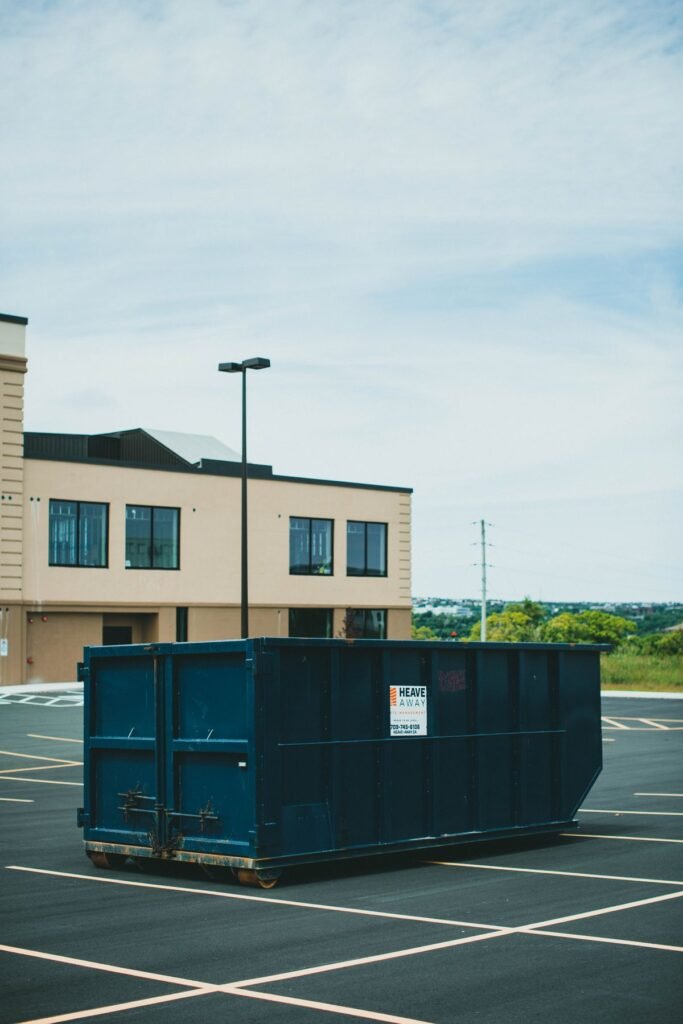
- 10 to 15-Yard Containers: Ideal for small-scale residential updates, garage cleanouts, minor bathroom remodels, or removing heavy materials like old roofing shingles and broken concrete walkways.
- 20-Yard Containers: The industry standard for mid-sized renovations, extensive carpet or flooring removals, deck demolitions, and large yard landscaping overhauls.
- 30 to 40-Yard Containers: Designed specifically for commercial construction sites, major structural additions, complete estate cleanouts, or window and siding replacements for multi-family buildings.
How Do You Sort Garden Waste — and What Can Be Composted?
Sort garden waste from general waste where it is created. Leaves, grass clippings, small branches, and plant trimmings go in one pile. Timber, plaster, glass, and mixed rubble go in another. Clean green waste can be composted or mulched on site. Mixed loads are harder to reuse and take more effort to clear.
Sorting at the source keeps the whole job simpler. A worker with a wheelbarrow can separate green waste in seconds. Sorting a mixed heap later takes far longer. It also keeps sharp or heavy rubble away from soft garden waste. That matters when the load is lifted or tipped.
- Green pile: leaves, grass, hedge trimmings, small branches, and spent plants.
- General pile: timber offcuts, plaster, glass, tiles, and mixed rubble.
- Keep out: painted or treated timber, plastic sheeting, and wire.
Clean green waste does not always need a container at all. A compost heap turns leaves and clippings into useful material for garden beds. Shredded branches make mulch for paths and borders. This cuts the volume that must be hauled away. It also keeps useful organic matter on the property instead of sending it to landfill. Only compost clean material. Diseased plants and weed roots with seeds should stay out of the heap.
Maintaining Safety and Compliance on Site
A cluttered work environment is inherently dangerous. Strewing sharp materials, old lumber with exposed nails, and heavy masonry pieces across a yard or driveway introduces significant liability risks. The riskiest builds are the ones below ground — see what design build services bring to a basement conversion that separate trades cannot, where one joined-up team manages structure, water, and order.
Deploying a heavy-duty roll-off container directly on-site encourages workers to discard debris immediately, keeping walking paths clear and minimizing slip-and-trip accidents. Furthermore, specialized rental services understand local municipal codes and environmental guidelines, ensuring that your discarded materials are sorted and disposed of in full compliance with regional waste regulations.
What Waste Counts as Hazardous — and Where Does It Go?
Hazardous waste is any item that can harm people or the environment if it is dumped with ordinary debris. Paint, solvents, adhesives, batteries, old fuel, and treated timber all fall in this group. Never place them in a general container. Set them aside in a marked area instead. Ask your rental provider or local authority how they must be handled.
Check labels before you throw anything away. A tin with a warning symbol needs separate handling. Keep lids on and store these items away from walkways. Never burn waste on site to get rid of it. Smoke and fumes create a hazard for workers and neighbours. Rental services understand local municipal codes and environmental guidelines. Ask them early, before these items pile up.
Comparing Strategic Disposal Options
Managing high-volume waste by packing it into standard trash bins or making repeated trips to a regional landfill in a personal vehicle drains your time, fuel, and energy.
| Project Disposal Method | Time and Effort Investment | Financial & Structural Risk |
|---|---|---|
| Manual Landfill Hauling | Hours spent driving, loading, unloading, and waiting in long landfill lines. | Potential vehicle damage, high gate fees, and lost labor hours. |
| Standard Curbside Bins | Highly restrictive weight limits; takes weeks to clear large debris amounts. | High risk of city code violations and neighborhood complaints. |
| On-Site Roll-Off Rental | Waste is thrown directly into a central bin; hauled away with a single call. | Fixed, transparent upfront pricing with zero transport hassle. |
How Do You Schedule Pickups and Keep Costs Under Control?
Book the pickup before the container is full, not after it. Watch the fill level daily as work peaks. Call for a swap or removal while there is still room to load safely. This avoids overfills, idle workers, and rushed second trips. One well-timed pickup costs less effort than a stalled site.
Cost control starts with the right size. A container that is too large means paying for empty space. One that is too small means overfills and extra trips. Both waste money. A single central container also beats repeated trips to a landfill in a personal vehicle. Those trips cost hours, fuel, and labour. They also risk vehicle damage and gate fees. Keep access paths clear so the truck can reach the container without delay. Agree the pickup timing when you book. A site that is ready for collection never waits on waste.
Protecting Your Property Assets During Delivery
A heavy steel container can place immense stress on concrete driveways or asphalt pathways if it isn’t placed carefully. Protect the surface first — see how asphalt coatings protect surfaces so a driveway survives the container instead of cracking under it. Professional disposal teams protect your property by utilizing protective wood planking beneath the dumpster’s steel rollers. This distributes the weight evenly, preventing surface scratches, cracking, or indentation on your driveway while the bin handles heavy construction debris.
Conclusion: Keeping Your Infrastructure Organized
Every successful structural build or property transformation relies on clear organization and efficient logistics. Leaving waste management as an afterthought stalls your timeline and introduces unnecessary safety risks to your crew and family. By securing a dedicated waste containment system early in your planning phases, you can focus entirely on the quality of your craftsmanship, knowing your site cleanup is completely covered.
Frequently Asked Questions
What size dumpster do I need?
Choose a container size that matches your project scale. The wrong size means paying for empty space or dealing with dangerous overfills. Use 10 to 15-yard containers for small residential updates, garage cleanouts or minor bathroom remodels. Use 20-yard containers for mid-sized renovations. Use 30 to 40-yard containers for commercial construction, major additions or complete estate cleanouts.
Why is a central disposal point important?
A central disposal point keeps the workflow organised and the timeline on track. Debris left in unmanaged heaps ruins the look of a neighbourhood. It creates severe safety hazards and blocks access paths for workers. It can also result in costly municipal fines. One central point is a fundamental necessity for builders and property owners managing cleanups or structural upgrades.
How does on-site waste management improve safety?
A cluttered work environment is dangerous. Sharp materials, old lumber with exposed nails and heavy masonry pieces introduce significant liability risks. Deploying a heavy-duty roll-off container on site encourages workers to discard debris immediately. That keeps walking paths clear and minimises slip-and-trip accidents. Rental services understand local codes. They ensure materials are sorted and disposed of under waste regulations.
Is renting a dumpster better than hauling waste myself?
Hauling waste yourself means repeated landfill trips in a vehicle. That drains time, fuel and energy. It also risks vehicle damage, high gate fees and lost labour hours. Curbside bins have weight limits and can take weeks to clear debris. An on-site roll-off rental offers upfront pricing. Waste goes into a central bin and is hauled away with one call.
How do I protect my driveway when a dumpster is delivered?
A heavy steel container can stress concrete driveways or asphalt pathways. If it is not placed carefully, it can cause scratches, cracking or indentation. Professional disposal teams protect property with protective wood planking. They place it beneath the dumpster’s steel rollers, which distributes the weight evenly. That simple step prevents surface damage while the bin handles heavy construction debris.

2 Comments
Pingback: How Asphalt Coatings Protect Surfaces and Outdoor Spaces
Pingback: Why Commercial Cleaning Is a Business Case Worth Making