

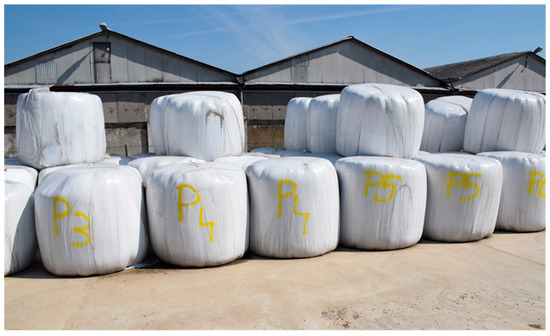
A silage film manufacturer produces film that seals forage such as grass, maize and alfalfa. It creates the oxygen-limited environment that lets lactic acid bacteria preserve the crop. Film quality matters because a poor seal lets oxygen in. That causes unstable fermentation, mould, heating, dry matter losses and reduced nutritional value. Good film must be strong, flexible, thick and UV resistant. It must keep working for weeks or months outdoors.
The Quiet Importance of Silage Film in Agriculture
Silage film may not be the most visible part of farming, but it plays a serious role in protecting feed quality. For dairy farms, livestock producers, and forage contractors, the success of silage storage often depends on how well the crop is sealed after harvest. Crops face threats before harvest too — see underground potato damage explained to tell wireworm tunnels from soil disease. Once grass, maize, alfalfa, or other forage is packed and covered, the film becomes the main barrier between valuable feed and the outside environment. It all starts with growing the crop well — Colorado planting covers soil, seasons, and watering for productive harvests in tough conditions.
A reliable silage film manufacturer understands that this is not just a plastic covering. It is part of the fermentation process. The film helps create an oxygen-limited environment, allowing lactic acid bacteria to preserve the crop naturally. When the seal is poor, oxygen enters, fermentation becomes unstable, and spoilage can begin quickly. That can lead to dry matter losses, mold growth, heating, and reduced nutritional value.
In simple terms, good silage film helps protect months of fieldwork.
What a Silage Film Manufacturer Actually Does
A silage film manufacturer is responsible for producing agricultural films that can withstand demanding outdoor conditions. These films need to be strong enough to resist tearing, flexible enough to cover uneven surfaces, and consistent enough to maintain an airtight seal over time.
Manufacturing silage film involves more than producing a sheet of plastic. The process usually includes careful resin selection, multilayer extrusion, thickness control, UV stabilization, and strength testing. Each of these details affects how the film performs in real farm conditions.
A high-quality film must deal with sunlight, wind, rain, temperature changes, machinery handling, and pressure from packed forage. If the film becomes brittle too soon, stretches unevenly, or punctures easily, the stored crop becomes vulnerable. That is why experienced buyers often look beyond price and consider how the film is made.
Why Oxygen Control Is the Main Goal
The central purpose of silage film is oxygen control. Freshly harvested forage naturally contains air between plant particles. After packing, the goal is to remove as much oxygen as possible and prevent new oxygen from entering. This helps fermentation begin quickly and remain stable.
When oxygen gets into the silage after sealing, undesirable microorganisms can grow. Yeasts, molds, and spoilage bacteria may increase, especially near the top and edges of the clamp, bunker, bale, or pit. These areas are usually the most exposed and the most likely to suffer if the cover is weak.
Good silage film supports stable fermentation by limiting oxygen movement. This does not mean the film alone can fix poor packing or low dry matter control, but it does mean the right film can protect a well-managed storage system. In silage, small weaknesses often become expensive problems later.
Strength, Flexibility, and Thickness Consistency
Farm films need a careful balance of properties. A film that is too stiff may be hard to apply and more likely to crease or tear. A film that is too thin or inconsistent may fail under pressure. A film that stretches too much may lose its protective performance after installation.
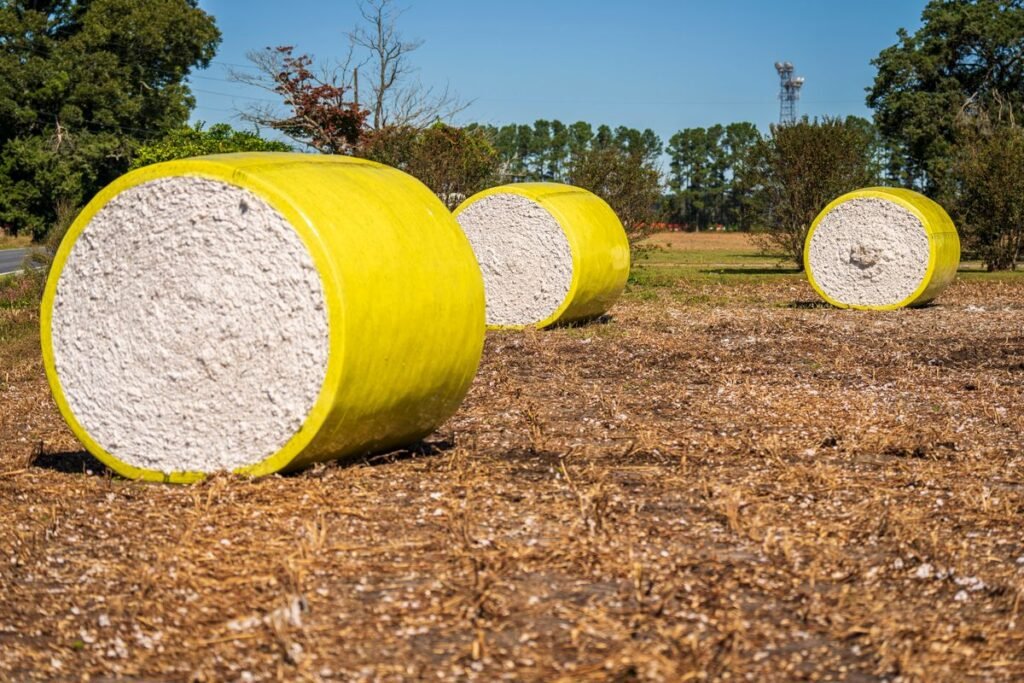
Thickness consistency is especially important. If some areas of the film are weaker than others, punctures and oxygen leaks are more likely. Reliable manufacturers use controlled production processes to keep film structure even across the roll.
Flexibility also matters during application. Silage covers often need to fit over corners, edges, sidewalls, and uneven forage surfaces. A film that handles well can make covering faster and cleaner, especially when weather conditions are not ideal. On busy harvest days, ease of use can make a real difference.
UV Resistance and Weather Performance
Silage film spends weeks or months exposed to sunlight and weather. Without proper UV stabilization, the film may weaken before the storage period is complete. This can cause cracking, brittleness, or tearing, particularly in hot regions or during long outdoor storage.
A capable silage film manufacturer designs products with the local storage environment in mind. Some farms need film for short-term use, while others require longer outdoor exposure. Climate, altitude, season, and storage method all influence what type of film performs best.
Weather performance also includes resistance to rain, wind lift, and temperature shifts. Even when a film looks simple, it has to keep doing its job quietly every day. That is the kind of performance farmers notice only when something goes wrong.
The Role of Multilayer Film Technology
Many modern agricultural films are produced using multilayer technology. Instead of relying on one basic layer, manufacturers combine different layers to improve strength, puncture resistance, oxygen barrier performance, and handling.
Each layer can serve a purpose. One layer may provide toughness, another may help with sealing, and another may improve durability under sunlight. This layered structure allows manufacturers to create films that are thinner yet stronger, or more flexible without becoming weak.
For farmers and contractors, the benefit is practical. A better film can be easier to apply, more resistant to damage, and more dependable across the storage period. It is not about complexity for its own sake. It is about matching film design to the real pressures of agricultural use.
Why Manufacturer Selection Matters
Choosing a silage film manufacturer is partly a technical decision and partly a trust decision. The product must perform consistently from roll to roll and season to season. In agriculture, inconsistency can be costly because problems may not appear until weeks after the crop has been sealed.
A good manufacturer pays attention to raw materials, production equipment, testing standards, packaging, and storage recommendations. These details may seem distant from the farm, but they shape the final result.
Farmers often compare films based on tear resistance, elasticity, puncture strength, UV protection, roll length, and ease of application. Contractors may also consider roll weight, handling efficiency, and reliability during large-scale covering jobs. The best choice is rarely just the cheapest option. It is the film that fits the storage method and reduces avoidable risk.
Sustainability and Waste Considerations
Plastic use in agriculture is under increasing scrutiny, and rightly so. Silage film is useful because it protects feed and reduces losses, but it also creates waste after use. Manufacturers and farmers both have a role in managing this issue responsibly.
Some manufacturers are working on films that use material more efficiently without sacrificing performance. Others focus on recyclability, cleaner production, and better collection practices after the storage season. On the farm side, proper film handling, avoiding unnecessary damage, and participating in recycling programs can help reduce environmental impact.
The goal is not to ignore plastic waste, but to use agricultural film thoughtfully. When silage film prevents feed loss, it also protects the land, fuel, labor, and water already invested in growing that crop.
Reading Product Information with Care
Before choosing a Black and White Panda Film, it helps to read product details carefully. Thickness, UV rating, oxygen barrier claims, width, roll length, and recommended use should all match the storage system. A film intended for one application may not be ideal for another.
For example, bale wrapping, bunker covering, and greenhouse use all place different demands on film. Some films are designed for forage preservation, while others are built for light control, crop protection, or climate management. Understanding the difference prevents confusion and helps buyers choose the right material for the job.
This is also where clear manufacturer communication becomes useful. Technical sheets, usage guidance, and application recommendations can help farmers avoid mistakes that shorten film life or weaken the seal.
Read more trending stories on Pure Gardening.
A Practical View of Film Choice
Near the end of the selection process, buyers may compare different agricultural film types and suppliers based on performance needs rather than appearance alone. For those researching related agricultural covering materials, resources such as Panda Film and information from a Panda film manufacturer can be part of that broader evaluation, especially when considering how film construction, color, and application purpose affect field performance.
Conclusion
A silage film manufacturer contributes to one of the most important stages of forage preservation. The film may look ordinary on the roll, but once it covers harvested feed, it becomes a protective layer between good fermentation and costly spoilage. Strength, oxygen control, UV resistance, flexibility, and consistency all matter.
For farmers, the right film is not just a supply purchase. It is part of feed quality management. When chosen carefully and applied properly, silage film helps protect the value of the crop long after the harvest machinery has left the field.
Frequently Asked Questions
What does a silage film manufacturer actually do?
A silage film manufacturer makes films that withstand demanding outdoor conditions. Production uses resin selection, multilayer extrusion, thickness control, UV stabilisation and strength testing. Films must be strong enough to resist tearing and flexible enough to cover uneven surfaces. They must stay consistent enough to maintain an airtight seal over time. Each production detail affects farm performance.
Why is oxygen control the main goal of silage film?
The purpose of silage film is oxygen control. After packing, the goal is to remove oxygen and prevent new oxygen from entering. Fermentation then begins quickly and remains stable. When oxygen gets in, yeasts, moulds and spoilage bacteria may increase. This happens especially at the top and edges. Good film supports stable fermentation by limiting oxygen movement.
What makes a silage film strong and reliable?
A reliable film balances strength, flexibility and thickness. Too stiff, and it creases or tears. Too thin, and it fails under pressure. Too stretchy, and it loses protective performance. Thickness consistency matters most. Weaker areas puncture and leak oxygen more easily. Reliable manufacturers use controlled production to keep film structure even across the whole roll.
Why does silage film need UV resistance?
Silage film spends weeks or months in sunlight and weather. Without UV stabilisation it may weaken before storage ends. That can cause cracking, brittleness or tearing. The risk is highest in hot regions and long outdoor storage. A manufacturer designs products with the storage environment in mind. Climate, altitude, season and storage method all influence film choice.
How should I choose a silage film manufacturer?
Choosing a manufacturer is a technical decision and a trust decision. The product must perform consistently from roll to roll and season to season. Farmers compare tear resistance, elasticity, puncture strength, UV protection, roll length and ease of application. The best choice is rarely the cheapest option. It is the film that fits the storage method and reduces risk.

2 Comments
Pingback: Underground Potato Damage: Is It Wireworm or Something Else?
Pingback: Barndominium for Sale: Find Your Perfect Modern Country Home