

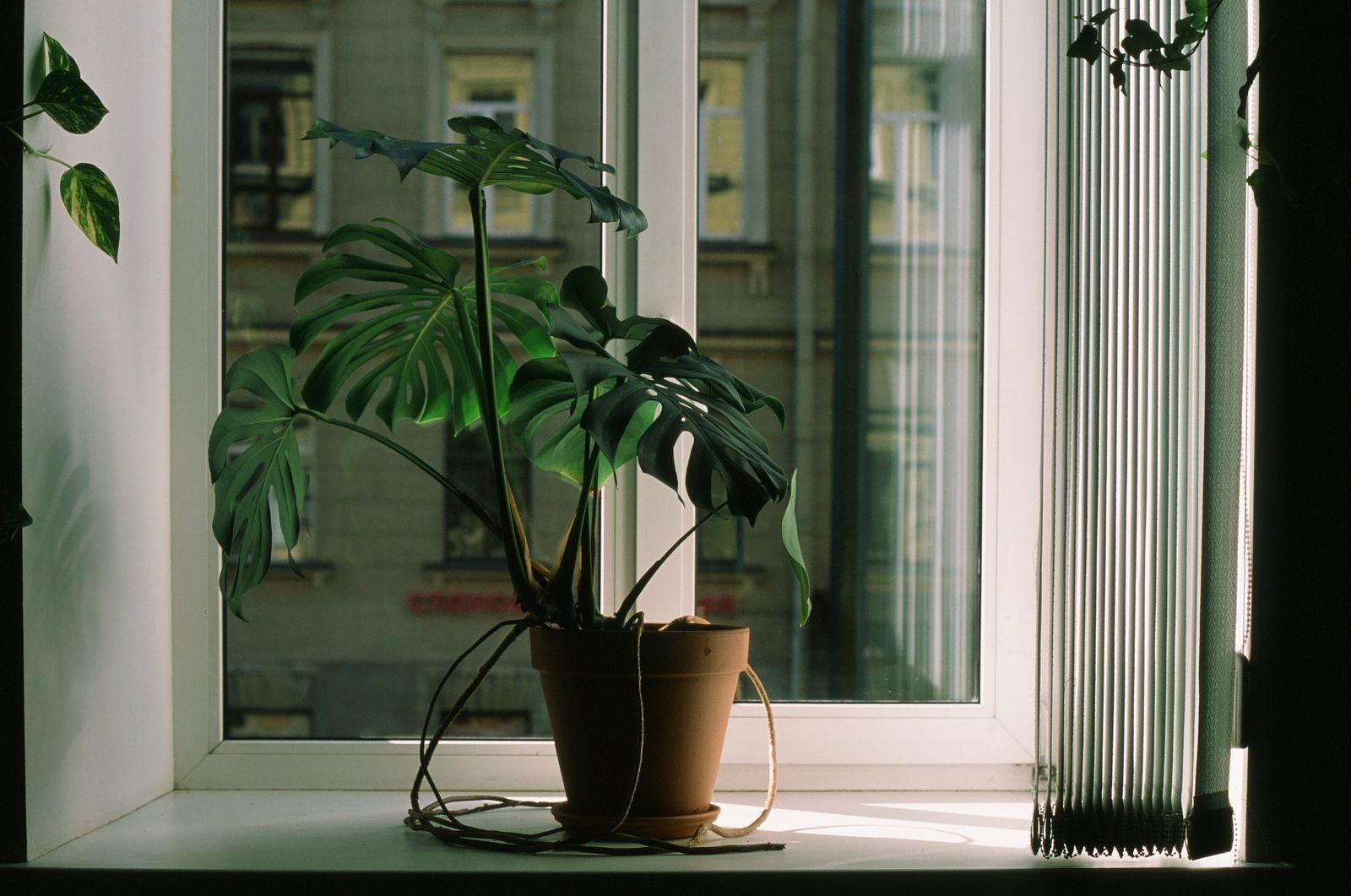
The best indoor plants for air quality include snake plants, spider plants, peace lilies, pothos, and Boston ferns. They can modestly freshen indoor air — but no houseplant replaces good ventilation.
Do Indoor Plants Really Clean the Air?
Back in 1989, NASA ran the experiment that launched a thousand listicles: the Clean Air Study, in which researchers led by B.C. Wolverton placed common houseplants in sealed chambers and measured how much of three common VOCs — benzene, formaldehyde, and trichloroethylene — the plants and their root-zone microbes pulled from the air. The results were genuinely encouraging. In a sealed box, plants really do clean the air.
The catch: your home is not a sealed box. Real rooms constantly exchange air with the outdoors — through doors, windows, vents, and all the tiny gaps in a building’s shell. Later reviews kept landing in the same place: to rival ordinary ventilation, you’d need an impractically dense jungle, not a few pots on the sill. A widely cited 2019 review of 196 chamber experiments estimated you’d need 10 to 1,000 plants per square meter of floor space to match typical ventilation — a range so wide it tells you chasing a number is the wrong game.
None of that makes houseplants pointless. They nudge indoor air in the right direction, release welcome moisture through transpiration, and make rooms feel calmer and more alive — benefits no lab chamber measures. Just keep the hierarchy straight: plants are the garnish, not the meal. Ventilation and, where needed, a proper HEPA purifier do the heavy lifting.
One habit multiplies whatever your plants give you: wipe the leaves with a damp cloth every week or two. Dusty leaves can’t catch light or breathe properly, and thirty seconds fixes it. Starting from scratch? Our guide to indoor gardening for beginners walks you through the setup.
10 Best Indoor Plants for Air Quality
Every plant below earned its place the same way: it survives real homes, asks for little, and quietly works in the background. Pick the ones that suit your light — and your pets.
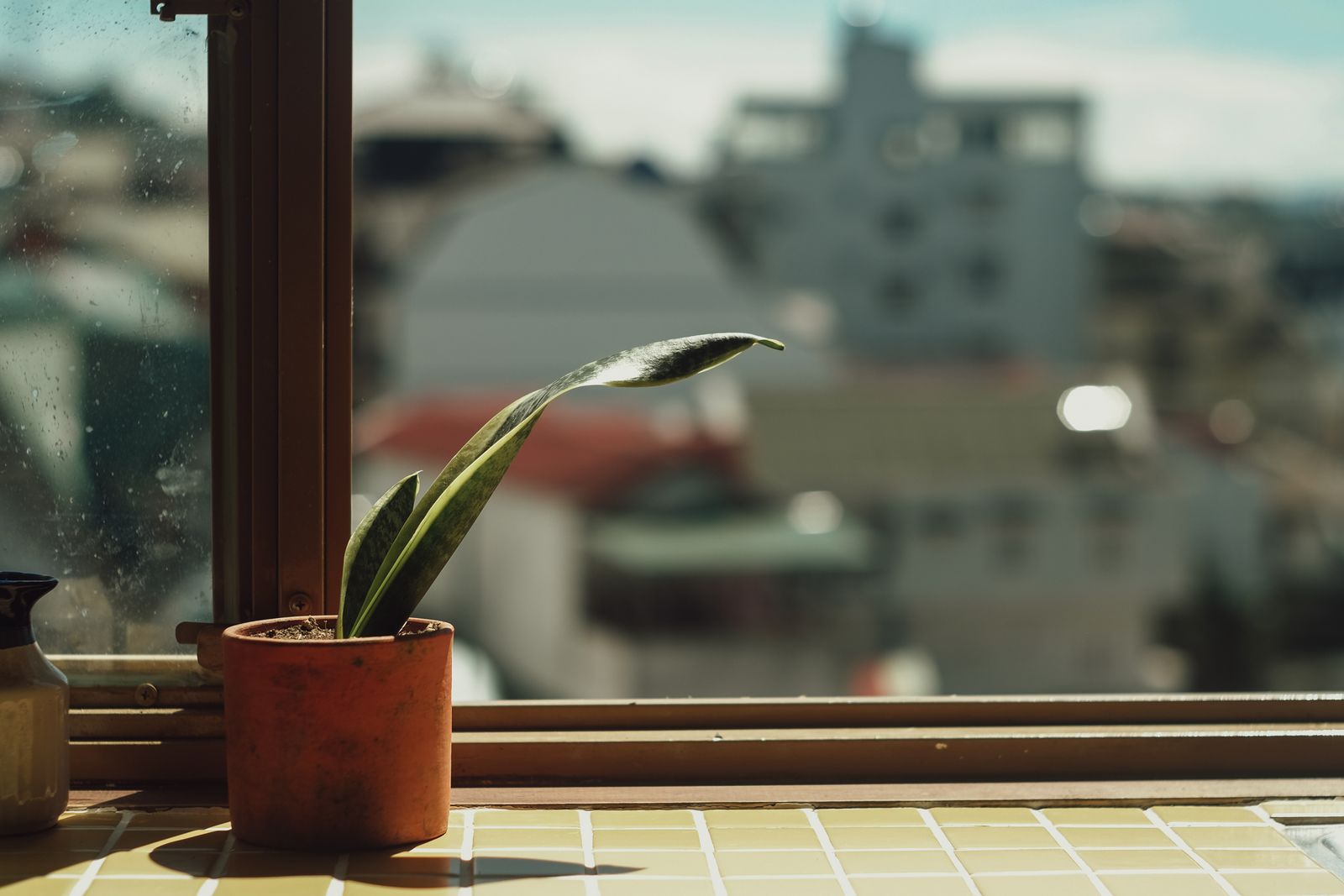
1. Snake Plant (Sansevieria trifasciata)
The one I’d hand to a total beginner. Those stiff, upright leaves shrug off weeks of neglect, dim corners, and forgotten waterings. Bright indirect light is ideal, though it tolerates low light just fine. The golden rule: let the soil dry out completely between waterings — overwatering is the only reliable way to kill it. One caution: it’s toxic to pets, so keep it away from curious cats and dogs.
2. Spider Plant (Chlorophytum comosum)
Fast-growing, forgiving, and generous — a happy spider plant sends out arching stems tipped with baby spiderettes you can snip off and pot up for free. Bright indirect light keeps its stripes crisp, and it likes soil that’s lightly moist rather than wet. Best of all for animal lovers: it’s non-toxic to pets, one of the safest picks for a busy household.
3. Peace Lily (Spathiphyllum)
Elegant and dramatic in equal measure. The white blooms look straight out of a florist’s window, and the plant droops theatrically when thirsty — it literally tells you when it needs a drink, which makes it ideal if you forget to water. It does well in low to medium indirect light and likes soil that’s consistently moist, never soggy. Note that it’s toxic to pets, so place it out of reach.
4. Pothos (Epipremnum aureum)
The nearly indestructible trailing vine. Pothos cascades beautifully from shelves and hanging baskets, tolerates low to bright indirect light, and only asks that you water when the top inch of soil feels dry. If you’ve killed every plant you’ve ever owned, start here — this one forgives almost everything. It’s toxic to pets, so trail it somewhere paws can’t reach.
5. Boston Fern (Nephrolepis exaltata)
All lush, arching fronds and old-school charm. Boston ferns double as natural humidifiers, releasing moisture into the air as they breathe — a genuine bonus in dry, heated rooms. They want bright indirect light and consistently moist soil, and a little misting goes a long way. Pet owners can relax: they’re non-toxic.
Honestly, watering correctly matters more than which plant you pick — learn how to water indoor plants so soggy soil never undoes your good work.
6. Rubber Plant (Ficus elastica)
Big, glossy, deep-green leaves that make a bold statement in any room. Rubber plants like bright indirect light and want a drink when the top 1–2 inches of soil have dried out. Two cautions: the milky sap can irritate skin (wear gloves when pruning), and the plant is toxic to pets.
7. Dracaena (Dracaena fragrans / D. marginata)
Architectural and easygoing, with striped, strappy leaves that give a room instant structure. Dracaenas handle medium to low indirect light without complaint — a solid choice for that awkward corner nothing else seems to like. Water when the top inch of soil is dry. They’re toxic to pets, so keep them off the floor if you have nibblers.
8. Areca Palm (Dypsis lutescens)
Feathery fronds that bring a holiday feeling to bright rooms. Areca palms want bright indirect light and lightly moist soil — they sulk in dark corners, so give them your sunniest spot. They’re completely non-toxic to pets, which makes them one of the best large plants for animal households.
9. English Ivy (Hedera helix)
A vigorous trailer that looks best spilling over the edge of a hanging basket. Give it bright indirect light and evenly moist soil, and it’ll reward you with fast, dense growth. English ivy is toxic to pets — but grown in a hanging basket, it stays naturally out of reach.
10. Heartleaf Philodendron (Philodendron hederaceum)
A tough, trailing classic that asks for almost nothing: low to medium indirect light, a drink when the top inch of soil is dry, and the occasional trim to keep it bushy. It’s one of the most dependable beginner plants you’ll find. Like pothos, it’s toxic to pets, so keep those heart-shaped leaves away from chewing mouths.
The 10 Picks at a Glance
| Plant | Light | Watering | Safe for pets? |
|---|---|---|---|
| Snake plant | Low to bright indirect | Let soil dry out fully | No |
| Spider plant | Bright indirect | Lightly moist | Yes |
| Peace lily | Low to medium indirect | Consistently moist | No |
| Pothos | Low to bright indirect | Top inch of soil dry | No |
| Boston fern | Bright indirect | Consistently moist | Yes |
| Rubber plant | Bright indirect | Top 1–2 inches dry | No |
| Dracaena | Medium to low indirect | Top inch of soil dry | No |
| Areca palm | Bright indirect | Lightly moist | Yes |
| English ivy | Bright indirect | Evenly moist | No |
| Heartleaf philodendron | Low to medium indirect | Top inch of soil dry | No |
How to Get the Most Air-Quality Benefit From Your Plants
Put your plants where you actually spend time — a fern in a spare bedroom helps nobody. Aim for several medium-to-large plants per lived-in room rather than one lonely specimen on a shelf. And give them drainage: pots with holes are non-negotiable, because waterlogged roots undo every benefit a healthy plant provides. For small-space setups, browse our container gardening ideas, and use our room-by-room indoor gardening guide to plan placement.
Our weekly routine is simple: poke a finger into the soil first, and water only when it feels dry at knuckle depth. Then wipe the broad leaves with a damp cloth so they can catch full light. And ventilate anyway — plants are the garnish, ventilation is the meal. For research-backed care detail, the University of Florida’s IFAS Extension houseplant guides are worth a bookmark.
The Short Version
- The ten best picks are snake plant, spider plant, peace lily, pothos, Boston fern, rubber plant, dracaena, areca palm, English ivy, and heartleaf philodendron.
- They’ll freshen your air modestly — but they can’t replace ventilation or an air purifier.
- Keep their leaves dust-free and water properly: moist, never soggy.
- If you share your home with pets, stick with spider plants, Boston ferns, or areca palms.
Frequently Asked Questions
Do indoor plants really improve air quality?
Yes, but modestly. Think of them as a supplement to ventilation, not a substitute — they nudge things in the right direction while making your space feel calmer and more alive.
How many plants do I need to clean the air in a room?
There’s no magic number. A 2019 review of 196 chamber experiments estimated you’d need 10 to 1,000 plants per square meter of floor space to match typical ventilation — which tells you everything about chasing a specific count. In practice, place several healthy medium-to-large plants in the rooms you use most, and let ventilation do the heavy lifting.
Which air-purifying plant is easiest for beginners?
Snake plant and pothos, by a mile. Both forgive missed waterings, dim corners, and general neglect — and they’ll still look good doing it.
Are air-purifying plants safe for pets?
Some are, some aren’t. Spider plants, Boston ferns, and areca palms are safe bets, while pothos, peace lilies, snake plants, and philodendrons are toxic to cats and dogs. Check the ASPCA’s toxic and non-toxic plant database before bringing any new plant home.
Do plants help with indoor humidity?
Yes, through transpiration — plants release moisture as they breathe. Ferns and palms are especially good at it, which is a genuine bonus in dry, heated rooms.
Can houseplants replace an air purifier?
No. A HEPA purifier removes airborne particles far more effectively than any houseplant. If air quality is a health concern, run the purifier — and let your plants handle the ambiance.
A Final Word
Start with two or three plants that match your light and your household — a snake plant for the bedroom, a spider plant for the shelf, a pothos for the corner you keep forgetting. Give them decent light, water with restraint, and keep the air moving. That’s the whole formula. You won’t turn your living room into a forest-fresh meadow, but you’ll have greener, calmer rooms — and plants that earn their keep in more ways than one.

1 Comment
Pingback: Low Light Indoor Plants: 10 That Thrive